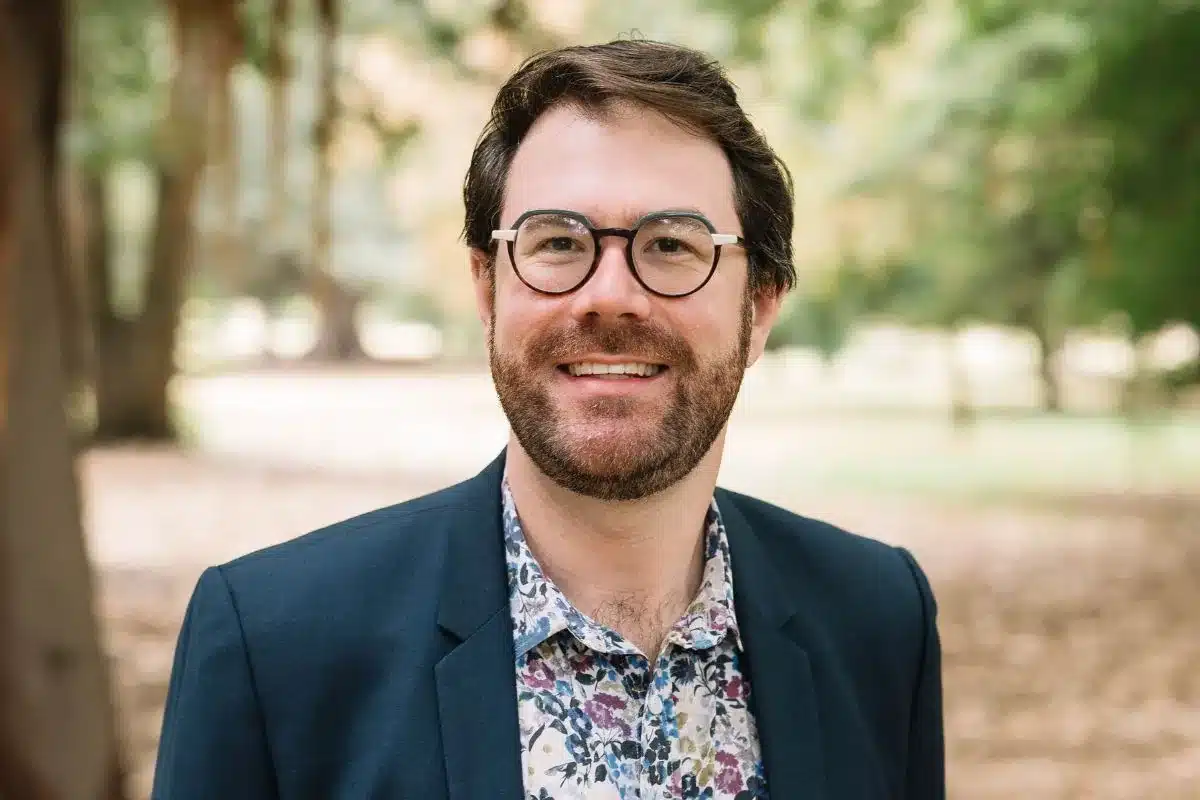
South Australia’s History Festival is back for 2026, and this year, it’s asking us to look a little closer. We spoke with Festival Director Dane Wilden about connections, community and why the everyday stories matter most.
The 2026 History Festival invites attendees to ‘unearth the extraordinary in the everyday,’ from community ties to movements that shaped South Australia. How do you bring these stories to life across tours, talks, exhibitions, and workshops?
One of the great strengths of South Australia’s History Festival is that it’s not just centred on iconic figures and major events in the state’s history; it’s about the everyday stories that have shaped South Australia. We work with hundreds of community groups, historians, sandstone institutions, and passionate locals who all bring their own stories to the program.
That might be a walking tour revealing hidden histories in a familiar suburb, a workshop exploring family genealogy, or an exhibition showcasing objects that tell personal stories about migration, work, or community life. The idea behind “unearthing the extraordinary in the everyday” is that history is all around us; it’s in our streets, our buildings, our traditions, and even in the stories shared around the dinner table.
I want South Australians to find joy in uncovering history at a local level; in our streets, at our sporting clubs, in neighbourhood pubs and restaurants, and within the community groups that shape everyday life. It’s through these discoveries that people begin to see history not as something esoteric or academic, but as something living and shared.”
Are there any themes or initiatives for the 2026 festival that you’re especially excited about?
The theme for this year’s History Festival is “connections”: from the threads of connection that bind family stories, places, and peoples, to the lines that link past to present, and South Australia to the world.
In 2026, we’re seeking to unearth the extraordinary in the everyday, highlighting the ties that brought communities together, the movements that changed this land, and the relationships that continue to shape our identity.
We often joke in South Australia that we’re all connected in some way; by a friend of a friend, or a cousin’s neighbour’s best mate. We all share a history – whether knowingly or unknowingly – and this year’s festival is focused on uncovering some of those lesser-known connections and exploring how they’ve shaped the state that we live in today.
For someone who’s never attended the festival, what makes it unique compared with other cultural events in Australia?
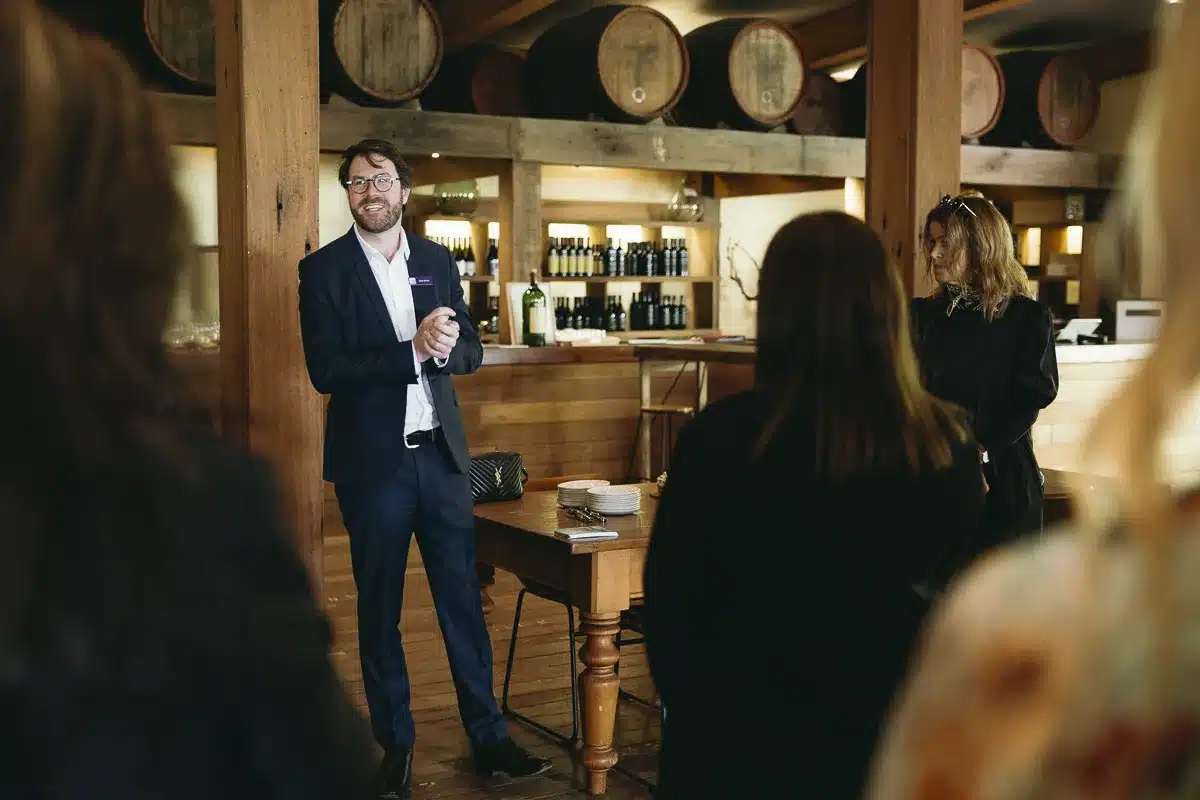
The scale and diversity of the program is what makes the festival unique. This year, there are over 550 events taking place right across the state – from city venues to regional towns – covering everything from archaeology and architecture to family history, lost trades, and vintage vehicles.
No matter where you’re located in SA, there’s likely to be a History Festival event of some kind in the same region. What makes the festival particularly special is that the program is largely community-driven. Local organisations, historical societies, museums, and passionate individuals all contribute events, which means you’re getting an incredibly rich and varied perspective on South Australia’s past.
Beyond the well-known chapters of SA history, the festival makes space for stories that haven’t always been widely told. How do you approach that side of the program?
South Australia’s history is wonderfully diverse, and it’s important that the festival reflects the many communities that have shaped the state. We actively work with community organisations, researchers, and storytellers to ensure a wide range of perspectives are represented.
That includes LGBTQIA+ histories, migrant experiences, First Nations perspectives, and many other stories that haven’t always been widely told. By creating space for these stories, the festival helps people see how different communities have contributed to the rich cultural fabric of South Australia.
Can you share a standout event or moment from past festivals that really captured community participation?
Seeing the pride communities have in the stewardship of their own local stories is one of the most rewarding aspects of the festival. Small community history groups can present events in the program alongside major exhibitions delivered by some of SA’s leading cultural institutions, which engenders a sense of community ownership over our shared history.
It doesn’t matter how big or small the story you have to share is – you’ll find a place to tell it in the festival.
Quick-fire with Dane Wilden
Favourite part of the festival?
Reading through the full program for the first time and circling all the events I want to attend.
Most unusual object you’ve ever seen at an event?
A collection of objects rather than just one, but it would have to be the largest collection of Kylie Minogue memorabilia in the southern hemisphere (as part of the 2024 festival). Contemporary history is history, too!
History fact that blows your mind?
That South Australia granted women both the right to vote and the right to stand for parliament in 1894, making it one of the most progressive places in the world at the time.
Local hero from SA history you’d love to meet?
A cliché, but former Premier Don Dunstan.
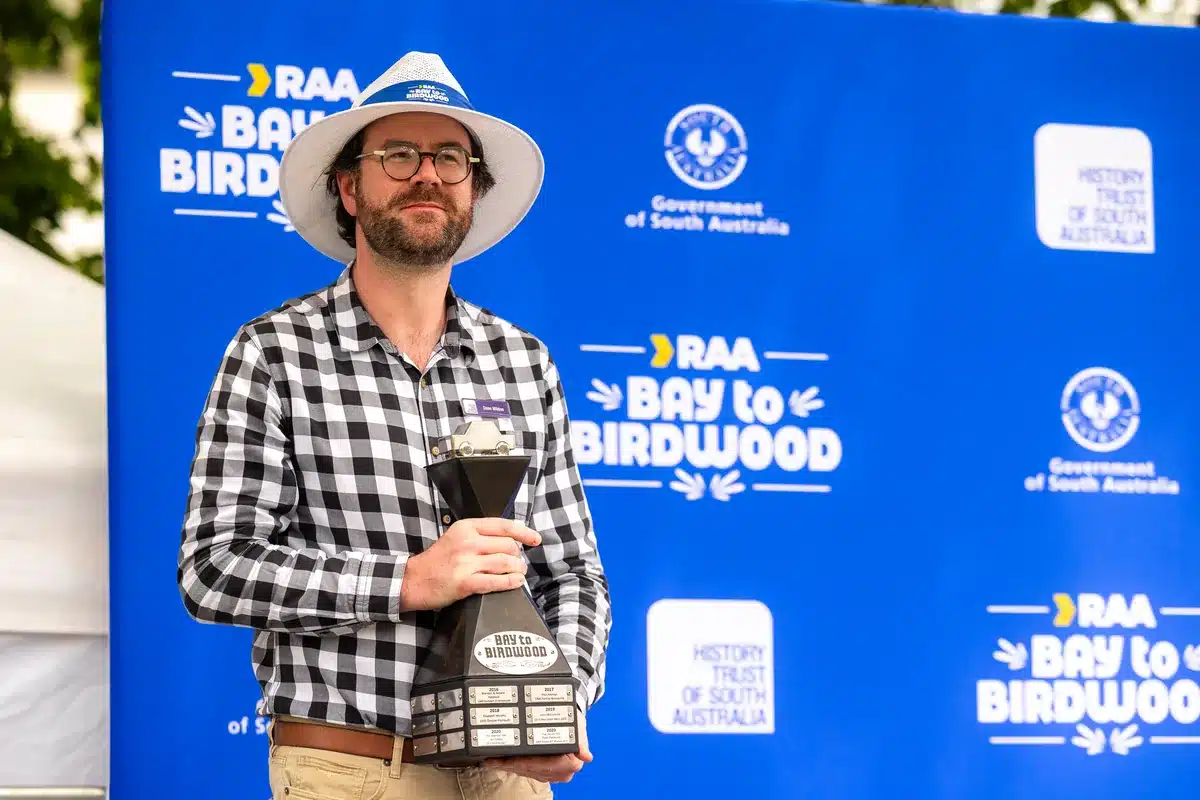
Best car you’ve seen at Bay to Birdwood?
I can’t pick just one! The Amphicar 770 (a cross between a boat and a car) would have to be up there, as would the stunning Land Rover Series 3 that won the EV Conversion Award in 2023.
One word to describe the 2026 festival?
Unexpected.
If you could time-travel to any moment in SA history, when would it be?
Back to the late 60s and early-70s, during the reformist era of cultural development.
The 2026 SA History Festival runs throughout May. For the full program, visit : history.sa.gov.au