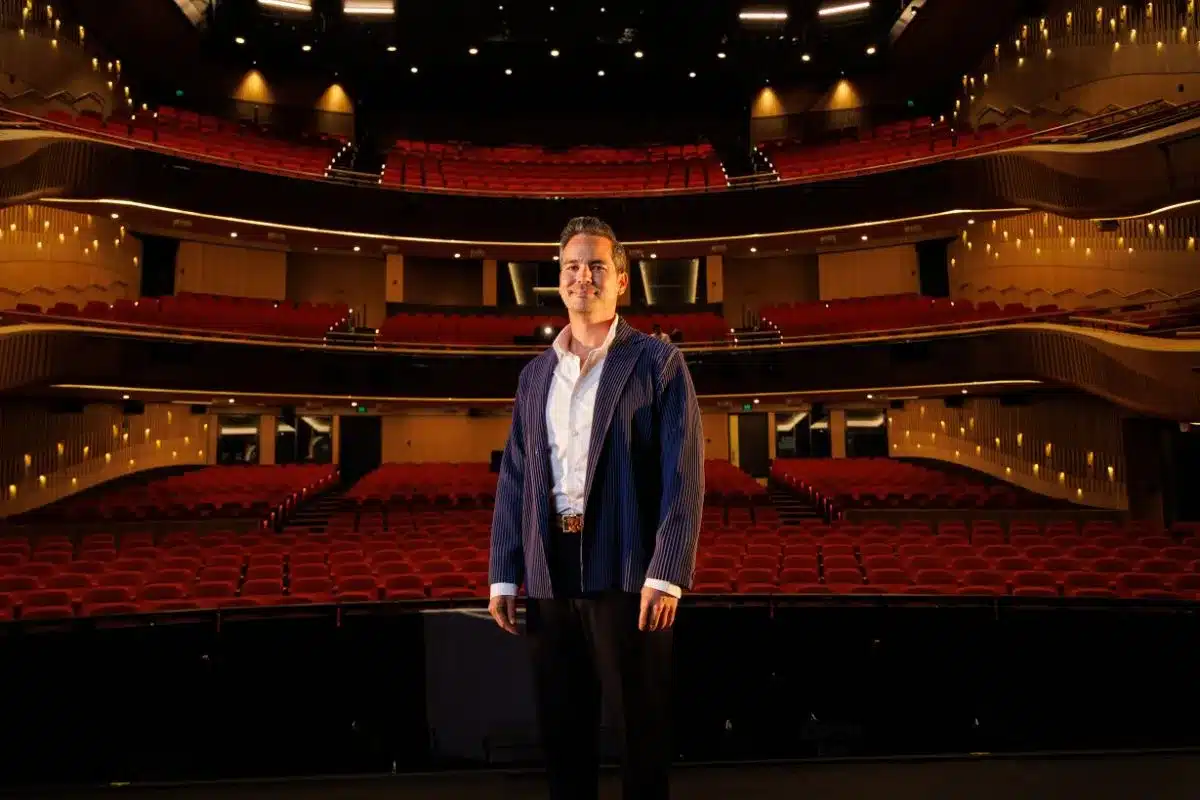
State Opera South Australia has launched a world-first initiative inviting everyday South Australians to submit the stories that define their lives, their communities and this state, with four selected stories to be transformed into fully staged professional operas in 2027.
Called Our Opera, Our Story, the project represents a fundamental shift in how opera is made and who it belongs to. Rather than companies choosing which stories are told, South Australians submit their own and the public votes on which four go to the stage.
Artistic Director Dane Lam describes it as opera returning to its roots while reaching toward something entirely new.
“Opera has always been built on the stories that matter most: love, loss, betrayal, revenge, resilience and humour. These human universals are the reasons why operas from hundreds of years ago still capture people’s imaginations today. But opera must also reflect today’s world and the people living in it. Our Opera, Our Story gives South Australians a direct hand in shaping new work at the highest professional level.”
The four selected stories will be developed into 20-minute micro-operas by leading Australian composer-librettist teams and performed alongside the Adelaide Symphony Orchestra at Elder Hall in October 2027. Those whose stories are chosen will receive full creative credit, VIP opening night access, behind-the-scenes involvement throughout the creative journey and invitations to the 2026 season.
Stories can be submitted in written, audio or video form across categories including sport, food and wine, immigration, community, politics, Indigenous stories and an open category. No arts background is required, just a story worth telling.
Three South Australians who said yes
To help launch the project, three notable South Australians have already put their stories forward, and each one is as compelling as anything you might find on a stage.
The Port Adelaide story that seven years couldn’t kill
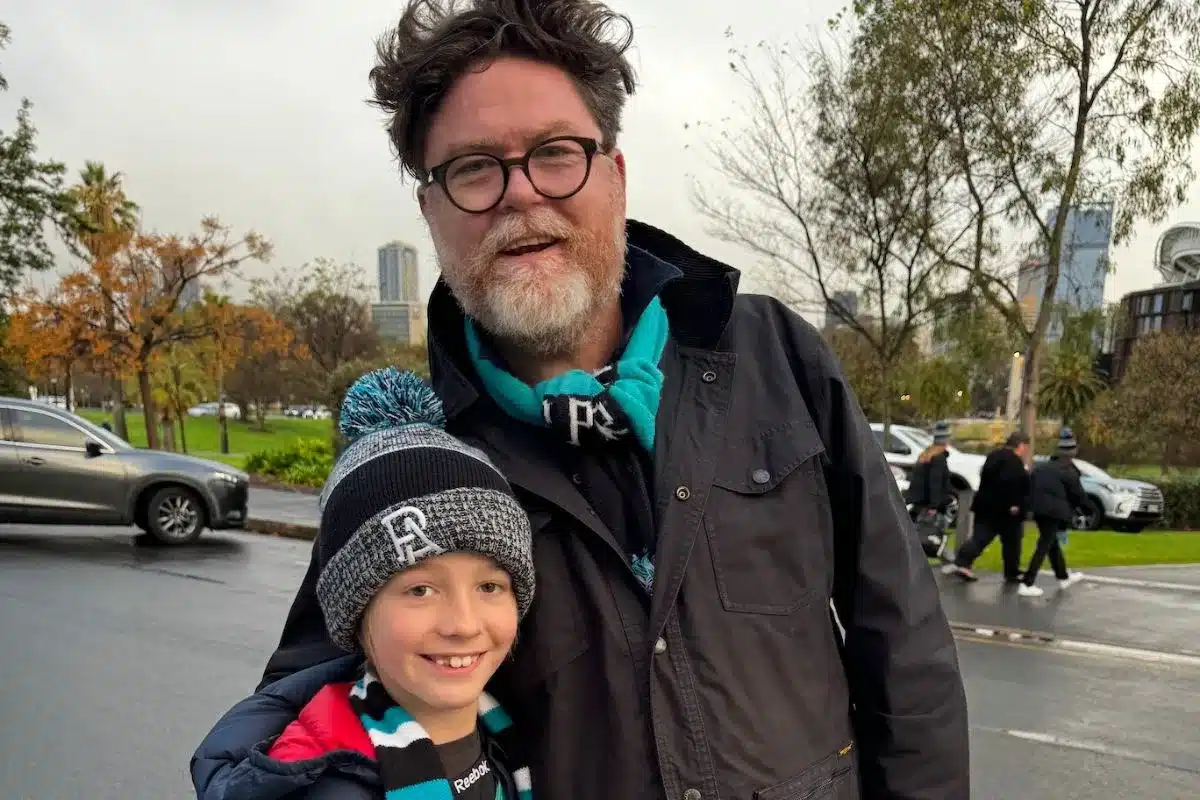
Nick Ryan is one of Australia’s most respected food and wine writers, but ask him about Port Adelaide and a different kind of passion surfaces entirely. His submission traces Port’s bruising fight to enter the AFL: the secret deal that leaked, the legal action that killed it, the Crows receiving what Port had fought for, and the seven years of waiting that followed before Port finally ran onto an AFL ground.
“This is not just a football story. It is a South Australian story about what it means to fight for something, to be denied, and to never let go of what you believe in. Port Adelaide fans carried that story with them for seven years, and we still carry it today. If opera can capture that, the passion, the politics, the heartbreak and the eventual triumph, then it absolutely deserves to be on that stage.”
The man standing at the dawn of life on Earth
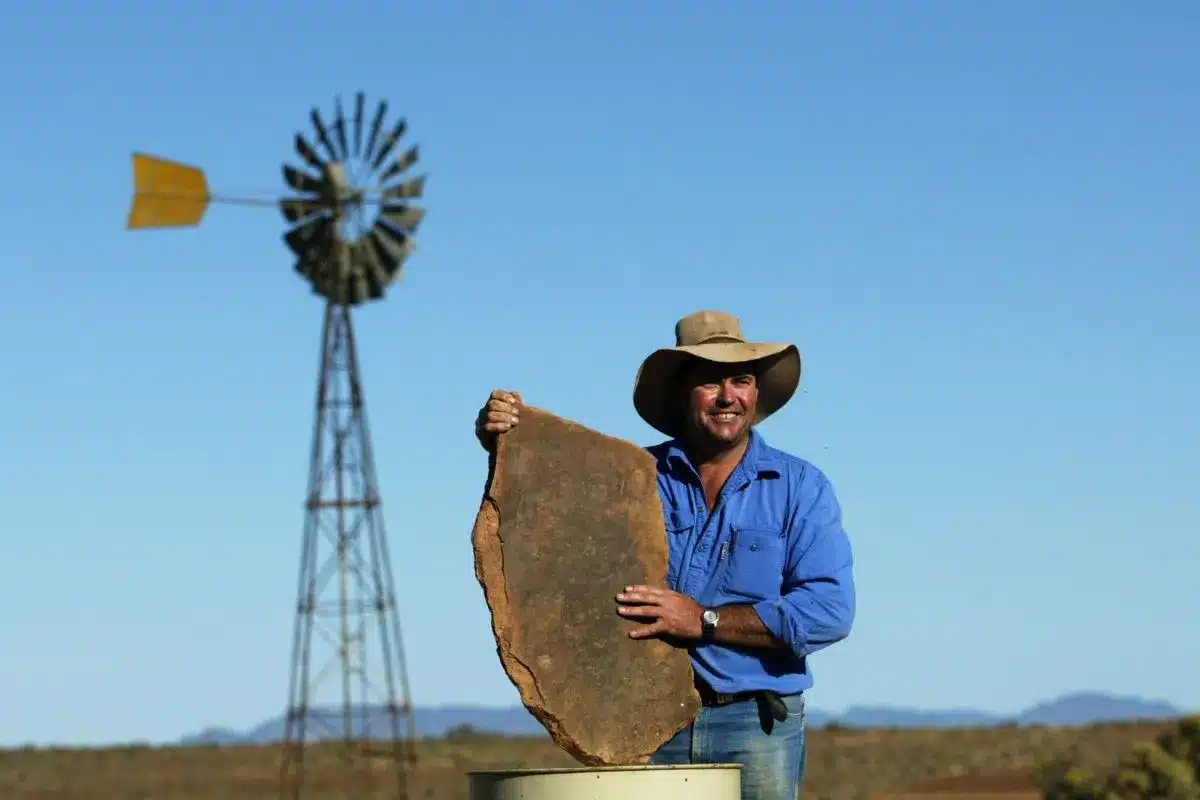
Ross Fargher is a fourth-generation Flinders Ranges cattleman whose family station at Nilpena holds one of the most significant palaeontological discoveries ever made. In 1985, a visiting friend noticed unusual ripple marks on the woolshed floor. Ross remembered seeing similar patterns on a nearby hillside. They drove out, flipped a few slabs of red sandstone and found themselves looking at 550-million-year-old marine ecosystems: the world’s earliest complex soft-bodied creatures, preserved mid-movement by a prehistoric sandstorm.
For decades, the Fargher family quietly guarded the site while letting the world’s scientists in, including NASA researchers, international palaeontologists and Sir David Attenborough, on one condition: nothing left the land. Three newly identified Ediacaran organisms were eventually named in honour of the family: Nilpenia rossi for Ross, Attenborites janeae for his wife Jane, and Pambikalbae hasenohrae for the friend who first spotted the woolshed floor. The family ultimately negotiated the sale of two-thirds of Nilpena Station to the South Australian Government, creating the Nilpena Ediacara National Park.
Ross still guides travellers from the Prairie Hotel bar out to the fossil beds today.
“It’s not just my story. It’s the land’s story. If someone can put that on a stage and help people feel what it’s like to stand out there in the red dirt and realise you’re touching the beginning of life itself, that’s worth doing.”
The run that became a movement
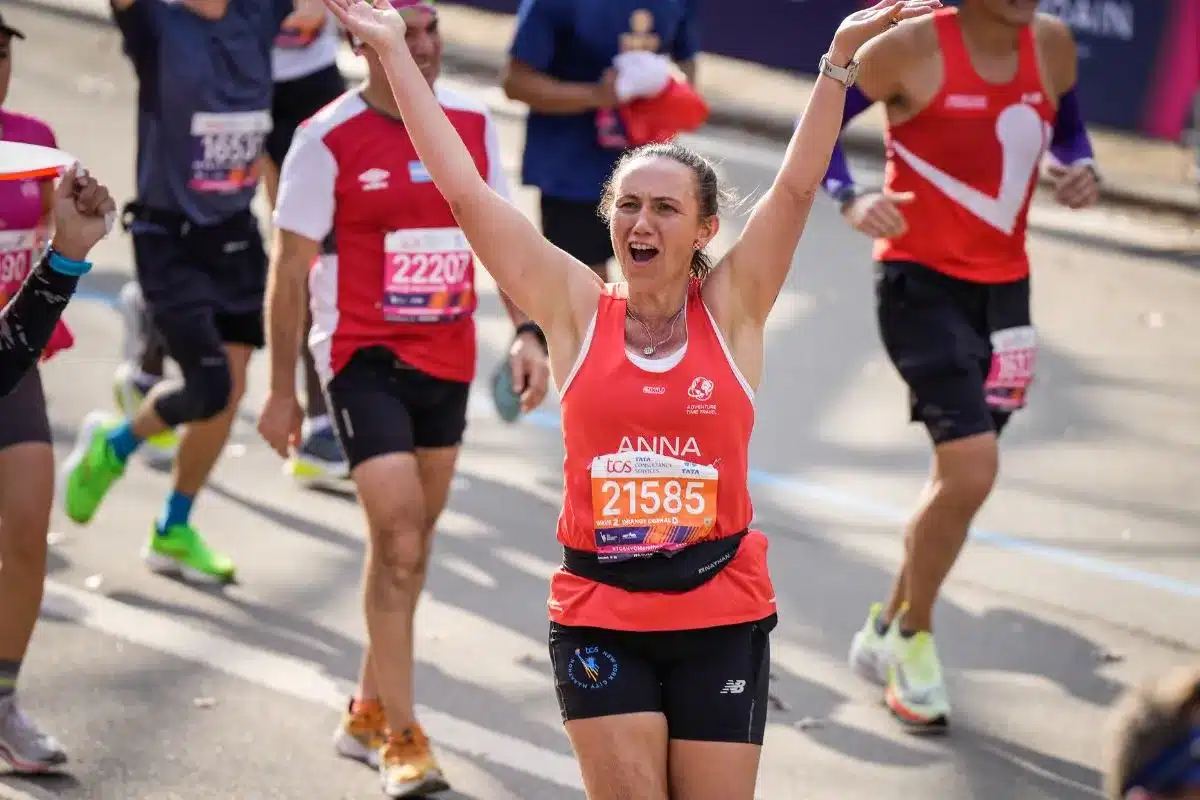
Anna Liptak was getting back into running after the birth of her son when a car of strangers hurled body-shaming abuse at her. She kept going. That moment became the seed of two decades spent building a community of everyday South Australians who came to her saying “I’m not a runner” and left crossing marathon finish lines.
In 2017, she decided to document those stories. Four years later, the award-winning documentary I’m Not A Runner premiered, following five women from scratch to the finish line of the New York Marathon. The film has since screened in more than 50 countries, reached passengers on British Airways, Qatar Airways and Aer Lingus, and is now shown to runners at the start lines of major marathons around the world.
“Their stories of grief, self-doubt, courage, vulnerability, bodies that had lived and felt broken, lives that hadn’t gone to plan. There was something so powerful in watching people find themselves through movement, a sense of belonging they hadn’t expected, an identity they’d never imagined claiming. I hope they have a life on stage also, as people’s stories are inspiring.”
How to submit
Submissions close 19 June 2026. Shortlisted stories go to public vote from 24 June to 1 July, with four selected for development. Submit at stateopera.com.au/our-opera-our-story.
As Lam puts it: “If SA loves it. If we love it. Your story could be immortalised forever. I hope you embrace this opportunity and share your story today.”