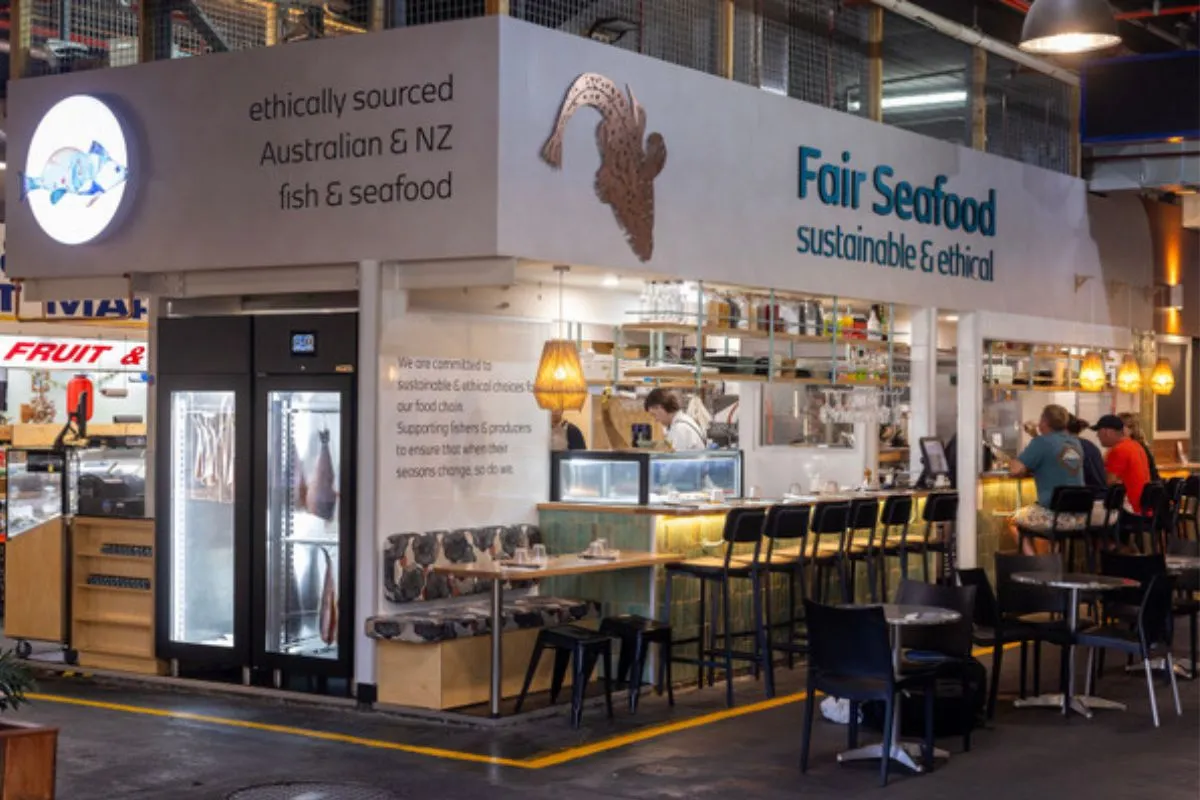
When it comes to the plate, provenance is everything—but for Amanda Prance, co-founder of Fair Seafood, it’s a non-negotiable mission.
Operating out of the iconic Adelaide Central Market, Amanda has championed a movement toward 100% fisher-to-consumer traceability, ensuring that every catch sold at Stall 12 has a clear story and a sustainable footprint.
Whether she’s championing lesser-known local species or redefining transparency in the industry, Amanda’s passion for our oceans is as deep as the Spencer Gulf.
We sat down for a quick-fire question round to talk about ethical eating, her favourite South Australian coastlines, and why ‘caught yesterday, filleted today, available tomorrow’ is the only way to do business.
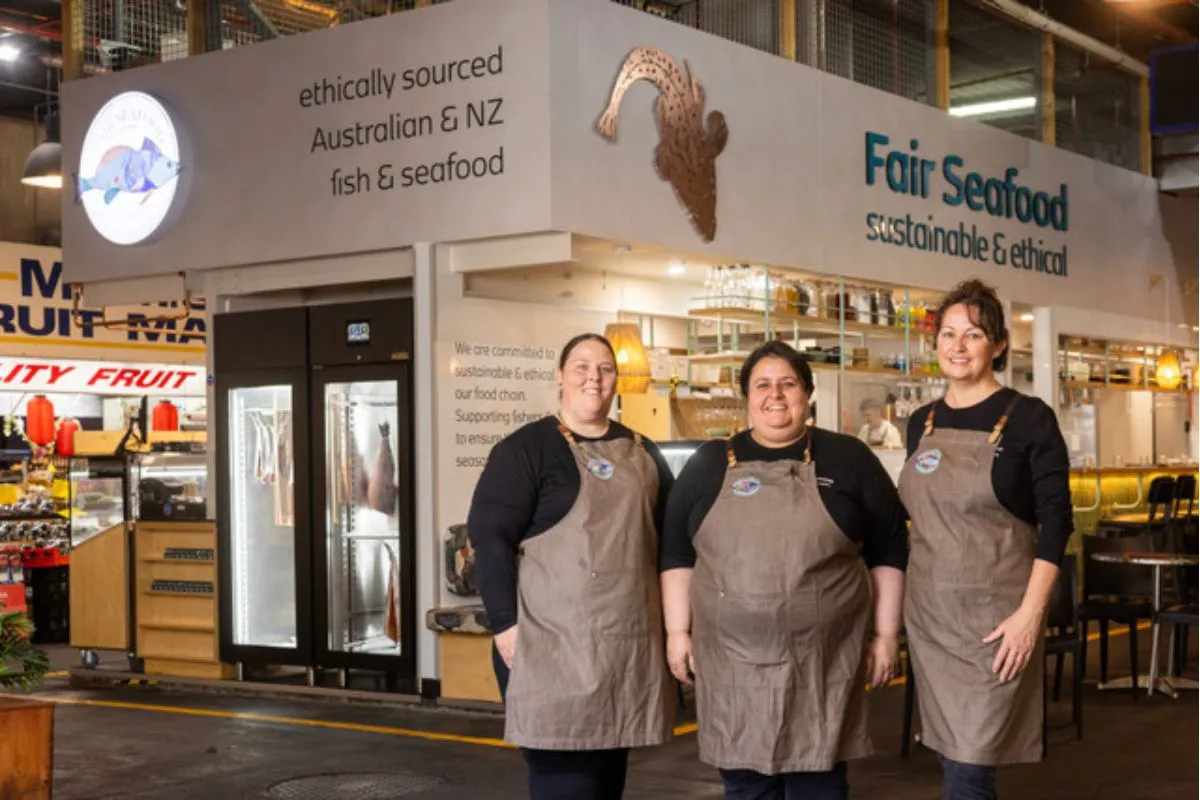
Q&A with Amanda Prance, Co-Founder of Fair Seafood
1. We know the Algal Bloom has caused significant disruption recently. From your perspective at the Market, how has this impacted the variety and availability of SA seafood?
We have never had a supply issue, rather a demand issue. With 5000km of coastline, deep water fishers, we have always had supply. Of course it has impacted species, but that has allowed those consuming to explore lesser-known species, which is what we promote. Coorong Mullet, Australian Salmon, Gurnard, Ling, Nannygai just to name a few. Exceptional fish.
2. With certain areas like the Yorke Peninsula heavily affected, where is our ‘safe’ seafood currently being sourced from to ensure we aren’t putting pressure on impacted zones?
We still have good supply from Great Australian Bight, Southern Yorke Peninsula and the West Coast, with plenty of variety and supply.
3. Oysters and Pipis are often the first to be restricted during these events. What are the best alternatives for shellfish lovers right now while some of our traditional harvest zones are closed?
We source our oysters mainly from Smoky Bay, near Ceduna, deep sea and apart from the warmer weather affecting a couple of weeks, we have had consistent supply throughout the bloom.
4. Your business is built on 100% fisher-to-consumer traceability. Why is knowing the name of the fisher just as important as knowing the species of the fish?
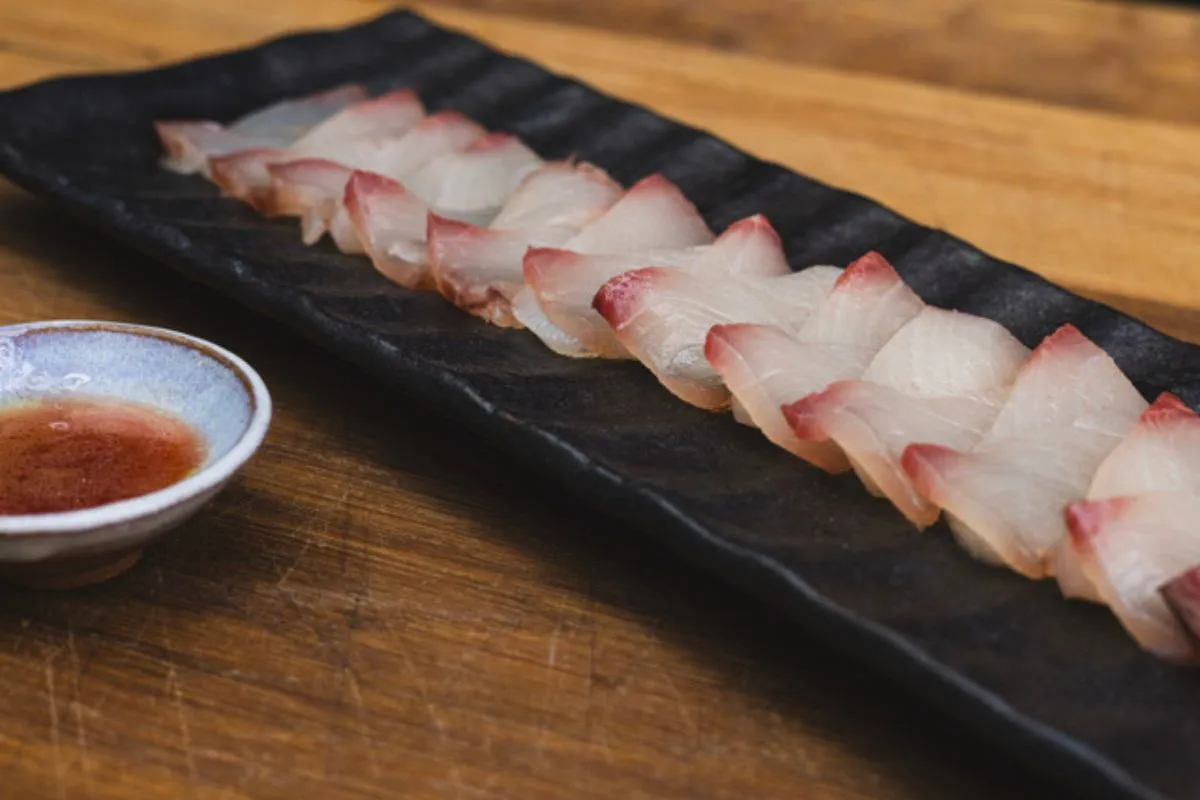
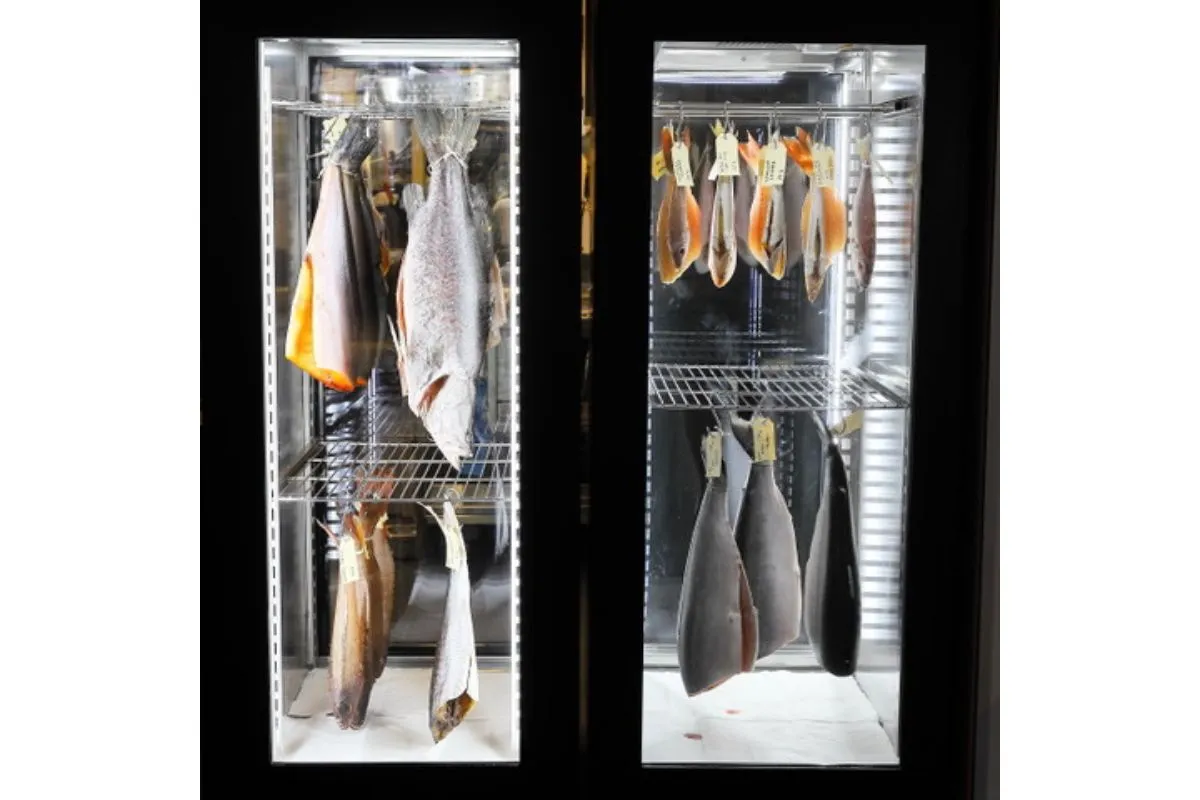
We believe knowing not only species and fisher, but how they catch, when they catch it, where they catch it, how they store on their vessel and on land, how it is transported and then how we hand process and sell to consumers. We call this ‘the chain of custody’ and from catch to consumer a maximum of 3 days and all fish sashimi grade.
5. You’ve mentioned that ‘affordability’ in seafood comes from trying lesser-known varieties. What is a sustainable, ‘underdog’ fish that shoppers usually overlook, but should be buying instead of Whiting or Snapper?
There are many sustainable and under-utilised species such as Snook, Coorong Mullet, Carp, Australian Salmon, Nannygai, Gurnard etc, but it is not just about these species, but the way it is respected from fisher to consumer. That is why customers asking questions about ‘chain of custody’ is so important.
6. You advocate for selling more whole fish to reduce waste and cost. For a home cook who is intimidated by a whole fish, what is your best advice for getting started?
Less is best, whole fish is much cheaper and just like meat, cooking on the bone gives so much more flavour. A whole fish with seasonal veg wrapped in foil and baked is a quick, and delicious meal. Go to our website for recipes!
7. It’s February—traditionally a peak time for seafood. What is looking spectacular at Fair Seafood this week that we should be putting on the BBQ?
We honestly can not pick just one. At the moment SA King Prawns, Octopus, Coorong Mullet, Ling, Blue Swimmer crabs… you can pick!
8. Beyond just buying the fish, how can Adelaide shoppers better support our local South Australian fishers who are currently navigating the ‘triple threat’ of marine heatwaves, blooms, and rising costs?
With such a high import ratio of imported seafood and product of country origin labelling only mandatory in July 2026, the power is with the consumer. Ask questions, when was it caught, who caught it, where was it caught, how was it caught and transported, how is it processed, has it ever been frozen. Or simply, it should smell like the sea.
9. As a partner of the Good Fish sustainable seafood guide, what are the ‘Green List’ species that are currently thriving in SA waters right now?
Australian Salmon, Coorong Mullet, Carp, Mulloway, Ling, Flathead, Gurnard, Sardines.
Visit Fair Seafood at Adelaide Central Market now or online: fairseafood.com.au