Many of us don’t think about our bones until something breaks. After 50, bone loss accelerates – particularly for women – often without symptoms, until a fracture, lost mobility or reduced independence makes it impossible to ignore. A hip fracture can change your life overnight. The good news is that prevention is well within your reach.
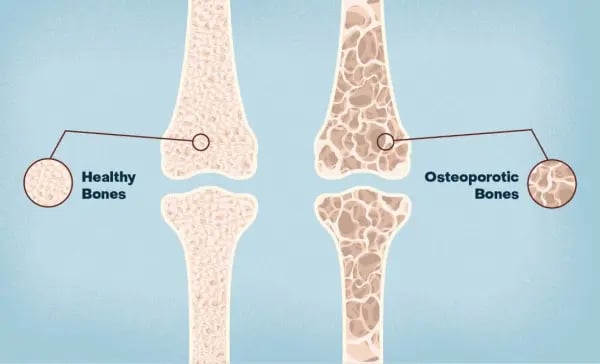
Bone is living tissue that constantly breaks down and rebuilds in response to the demands placed on it. With age, the breakdown occurs at a faster rate, leading to bone density loss. Think of the inside of your bones as a ‘honeycomb’ structure – the stronger they are, the thicker the walls of that honeycomb. Osteoporosis occurs when bone loss reaches a point where bones become weak and fragile.
Bone density peaks in your 20s and 30s, then steadily declines. When we’re younger, lifestyle naturally works in our favour – we run, jump, play sport and put our bodies through more load and movement, all of which builds bone density. Women can lose a significant amount of bone density in the years following menopause, as oestrogen plays a protective role for bone. The decrease in testosterone in men also contributes to gradual bone loss over time.
Bone loss after 50 is not caused by one thing. It is the result of slower rebuilding, hormonal changes and how we live day to day – which tends to mean less activity and a diet that often doesn’t meet our nutritional needs.
There are several risk factors:
Non-modifiable: age, family history, small body frame.
Modifiable: where prevention and management strategies come in: low calcium and vitamin D intake, inactivity, smoking and alcohol.
Calcium gives bone its hardness and strength. If intake is consistently low, the body maintains blood calcium levels by drawing on bone stores – over time, this leads to decreased density and increased fragility. A food-first approach works best: fill your plate with dairy, leafy greens and canned fish with bones. It’s not about perfection, but about consistently giving your body the nutrition it needs to maintain bone tissue.
Vitamin D enables calcium absorption in the gut and helps regulate calcium levels. For most people, a few minutes of sunlight on most days of the week is enough to support vitamin D levels.
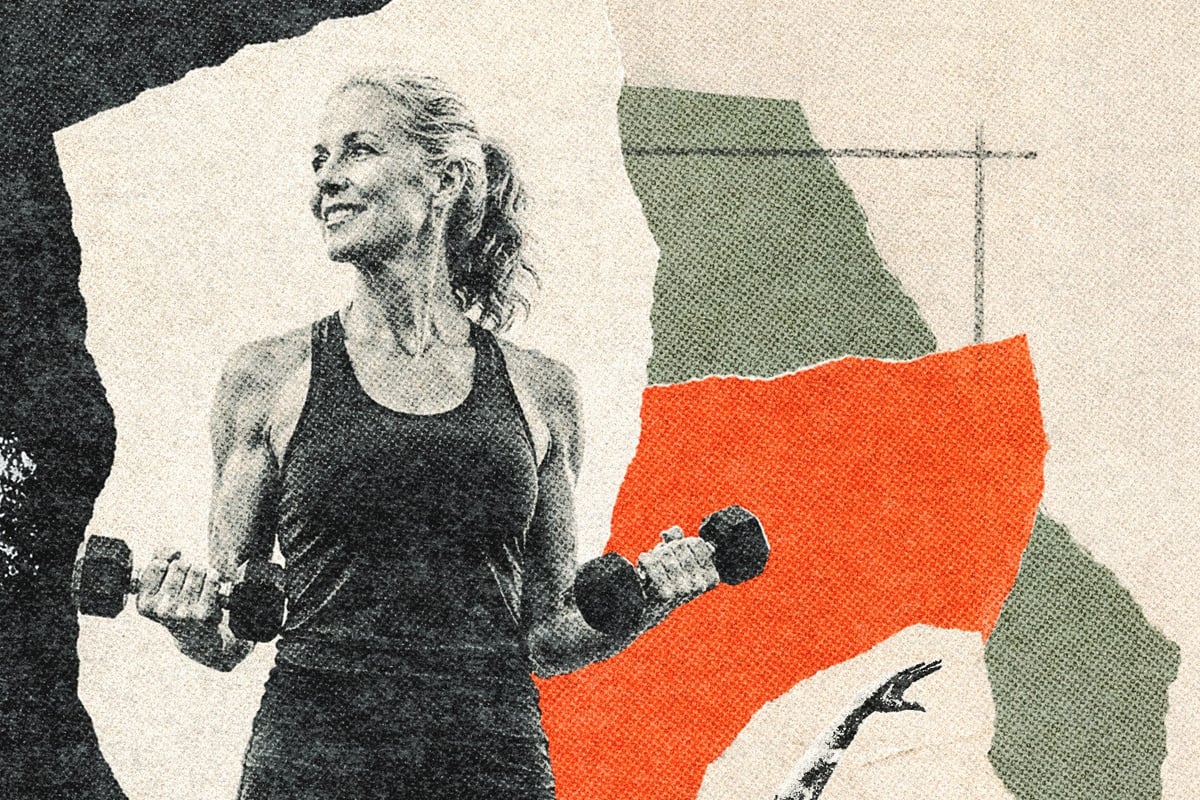
Regular movement is essential. The forces placed on your bones during activities like walking help maintain bone strength and reduce bone loss. Bones respond to load, which is why weight-bearing activities – walking, hiking, dancing, stair climbing and resistance training – are so important. If you’ve had a fall, are concerned about falling, or have a history of fractures, balance training is key to reducing risk. Speak to a physiotherapist or exercise physiologist about what activities are best for you.
There are simple, practical steps you can take to protect your bones: limit alcohol; stop smoking; review your dietary intake (see a dietitian for advice); get outside for some vitamin D; move every day (an exercise physiologist can help); and speak with your GP.
Strong bones don’t just prevent fractures – they support your independence, your mobility and your quality of life as you age. Small, consistent habits now can make a big difference later.
This article provides general information only and is not intended as medical advice. Individual needs vary – please consult your GP or an appropriate health professional such as an exercise physiologist, dietitian or physiotherapist for personalised guidance.
For more information: healthybonesaustralia.org.au
Follow Fifty+SA on Instagram and Facebook, and subscribe to our weekly newsletter.