
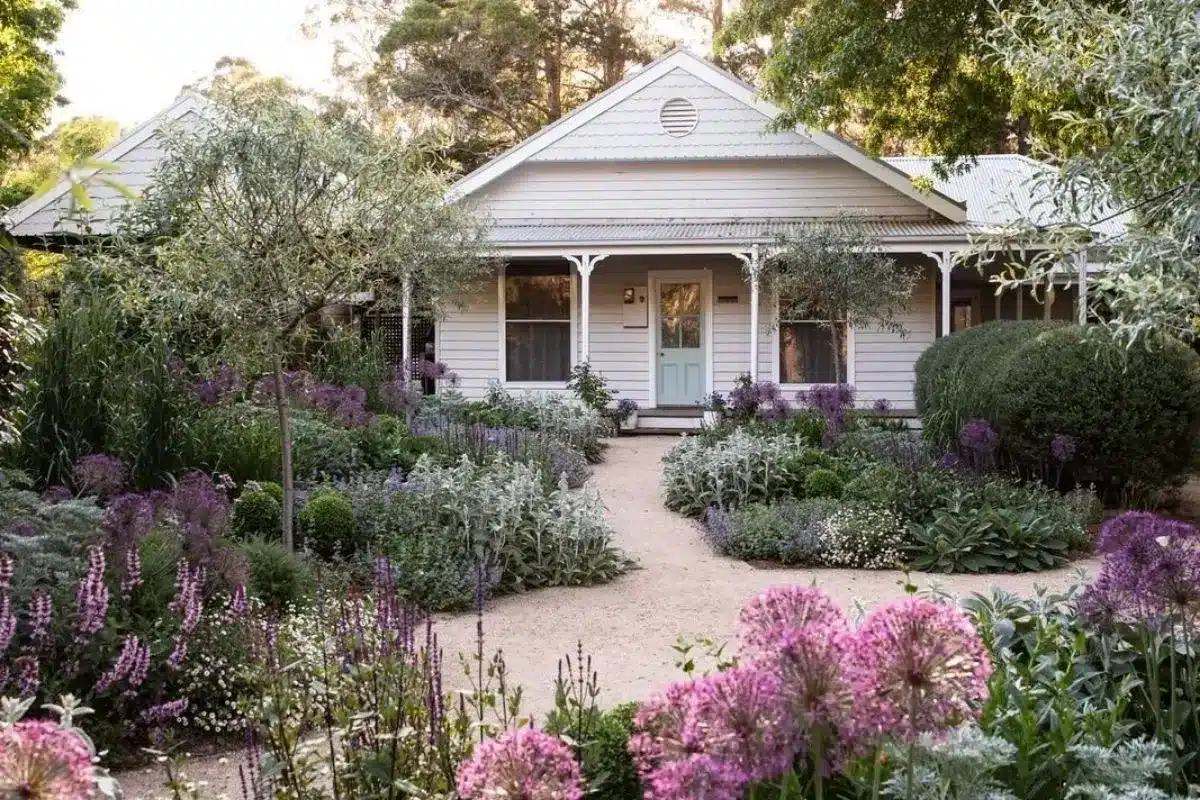
Why a naturalistic garden?
One of the things that brings me the greatest joy – besides the pure pleasure of a garden in full swing – is seeing something I haven’t seen before. One day, while walking through the garden to my studio, I spotted a big, fat blue-tongued lizard. When it sensed me, it darted into a crack in a boulder wall I’d built the season before using rocks from our paddock. Of all the places it could be living, it had chosen to live in our garden wall.
The rock wall provides shelter and warmth, but food is another reason it stays. Blue-tongue lizards love snails, and they also eat insects, slugs, weeds and small mice – several of which I don’t particularly want in my garden. The result is a mutually beneficial relationship, and a reminder that gardens can thrive when we make space for nature.

Wildlife in the garden: grow plants and it will come
At the design stage, you might give little thought to the wildlife your naturalistic garden will provide for. It often arrives later as an added bonus, yet it is vital to the success and longevity of this style of gardening.
Naturalistic gardens take inspiration from nature, with plantings allowed to express themselves fully through the seasons, often into deep winter. Seed heads feed birds, spiders weave webs between stems, reptiles and birds shelter beneath the canopy, and fallen foliage becomes nesting material.
Using a diversity of plants – native or introduced – attracts a greater diversity of wildlife that uses the garden for habitat and food. Large, natural drifts of planting can mimic the landscape, creating corridors where wildlife can eat, live and take shelter. This approach also protects soil health and the biology that exists on and beneath the surface.
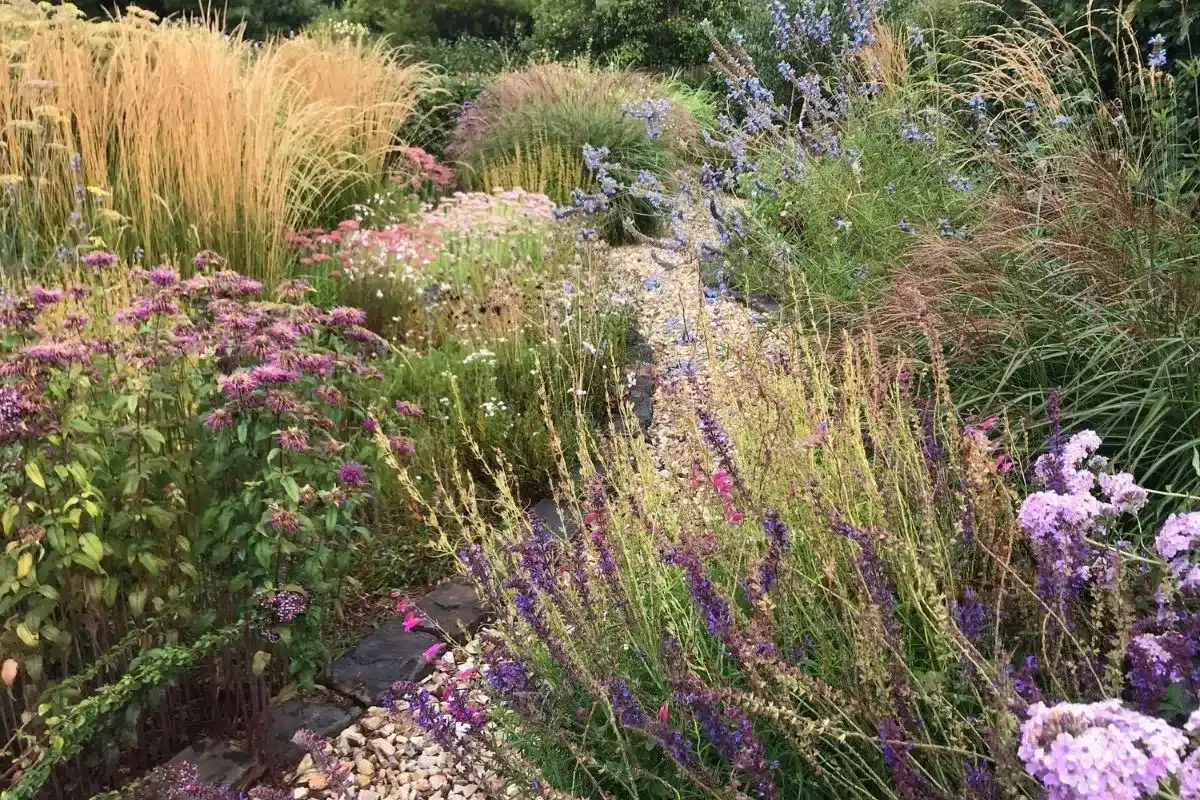
Imagine if we all gardened this way: individual gardens forming a connected tapestry, linking forests, grasslands and waterways, and supporting birds, insects and mammals as they move through our suburbs.
Naturalistic gardens aren’t just for looks; they can provide a symbiotic meeting place where gardeners can reconnect with and be immersed in the natural world.
Ease of maintenance and management
Naturalistic gardens are often perceived as high maintenance. Their layered compositions and complex plant combinations can suggest a great deal of work, yet this impression is misleading.
Traditional horticultural practices such as deadheading, heavy pruning and constant training can lead to over-gardening. These techniques are time-consuming and often unnecessary. Conventional thinking encourages us to cut plants back as soon as they finish flowering, rather than appreciating every stage of their life cycle, including decay and dormancy.
One of the most practical benefits of naturalistic gardening is the permission it gives you to let go of control. Instead of cutting plants back to force synchronised flowering and a single seasonal peak, allow the garden to offer a succession of moments throughout the year.
These moments include plants past their so-called prime, foliage at every stage of life, swelling buds, exuberant blooms and fading seed heads. Each has its own beauty and purpose.
Doesn’t that sound like less work – and far more interesting – than waiting all year for a moment that lasts just one month?
About the Author
Based in Central Victoria, Tim Pilgrim is known for his naturalistic cottage-style gardens. With more than 15 years’ experience, he has developed a distinctive approach that blends traditional and contemporary design, balancing edible and ornamental plantings.
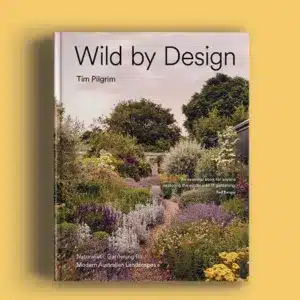
Wild by Design
Naturalistic Gardening for Modern Australian Landscapes
RRP $59.99