

Backyard hens are easier to keep than you might think – and the rewards go far beyond fresh eggs. With a little planning, some basic gear, and a bit of patience, you can enjoy a small flock right in your garden. Backyard hens offer more than eggs alone: they provide composting help, enrich garden soil, and bring a surprisingly engaging sense of companionship to your outdoor space.
Why Keep Chickens?
The most obvious benefit of keeping chickens is fresh, free-range eggs. A small flock of three to four hens can keep a household well supplied, with each hen laying around four to six eggs per week in peak season.
Beyond the eggs, chickens are natural recyclers. Kitchen scraps that would otherwise end up in the bin are happily devoured, while their droppings — once composted — enrich garden soil.
Then there’s the character they bring. Each hen has her own quirks and habits, from the bossy leader of the flock to the shy one who keeps her distance. Chickens are endlessly curious and surprisingly affectionate, making them delightful backyard companions.
Setting Up Your Coop
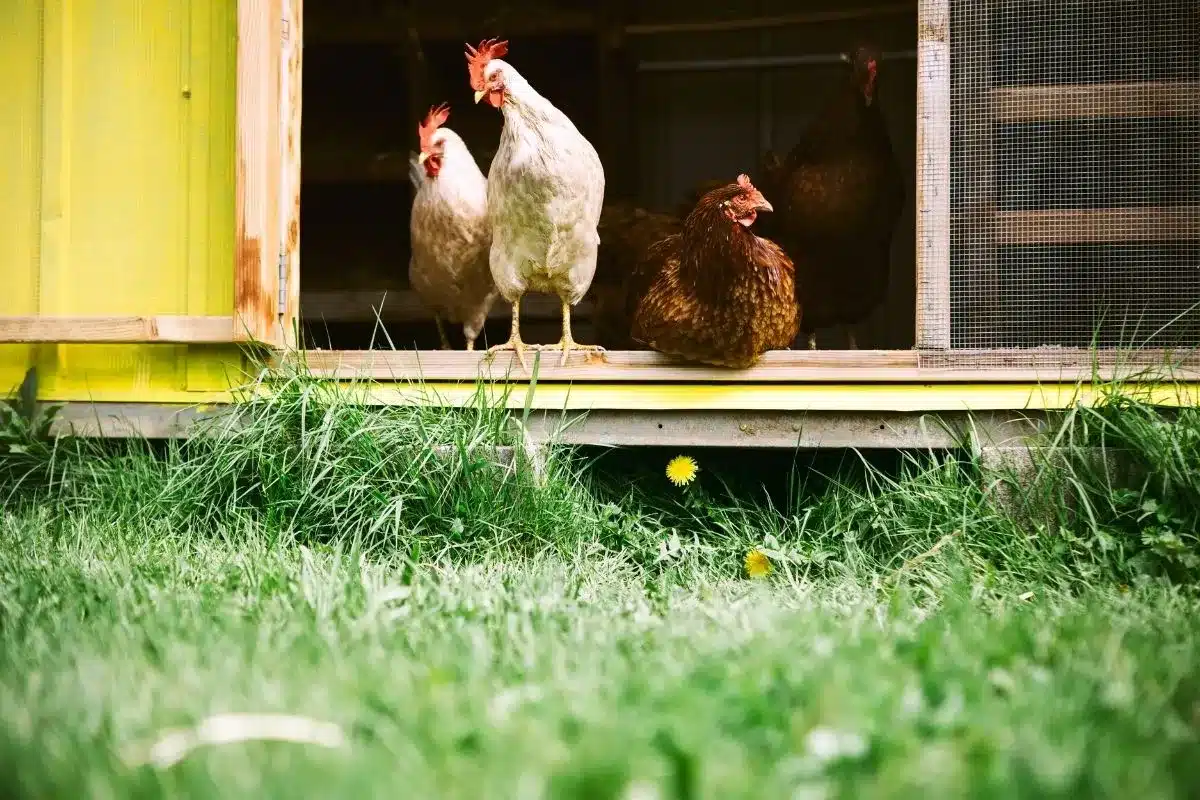
A safe, comfortable home is key to keeping healthy and happy hens. The basics include providing a sturdy coop with good ventilation, protection from rain, and nesting boxes for laying.
Space is equally important. Allow around one square metre per chicken inside the coop, along with an outdoor run for scratching, foraging and dust bathing.
Security should not be overlooked. Foxes, cats and even neighbourhood dogs pose risks, so ensure the coop is predator-proof with strong wire mesh.
Many people opt for movable coops, often called “chicken tractors”, which can be shifted around the yard. This gives birds access to fresh grass while helping keep lawns naturally fertilised.
Choosing Your Chickens
Not all hens are created equal when it comes to egg-laying or temperament. Popular backyard breeds in South Australia include ISA Browns, known for their reliable egg production and calm personalities, and Australorps, hardy glossy black birds that lay well.
Silkies are another popular choice. Smaller and fluffy, they are known more for their charm than their eggs.
Mixing breeds can add variety and colour to your flock — and to your egg basket.
Care and Feeding
Chickens thrive on a balanced diet of layer pellets, supplemented with scraps, weeds and the occasional handful of grain. Fresh water is essential and should be topped up daily.
Regular cleaning of the coop helps keep the flock healthy and prevents unpleasant smells. Adding fresh straw or wood shavings to the nesting boxes each week makes for happy hens and clean eggs.
Eggs
Newly hatched chicks take around six months to start laying. Once they do, egg numbers depend on the breed, the season and the age of the bird.
Hens naturally lay fewer eggs in winter, but providing good nutrition and a stress-free environment helps maximise output.
Things to Keep in Mind
Chickens can live up to eight to ten years, although peak laying generally occurs in the first two to three years. They do make noise — usually gentle clucking — though some breeds are louder than others.
Local councils may have rules about the number of birds you can keep, and most do not permit roosters in suburban areas.
Quick Tips for Beginners
Start with three to four hens. Buying point-of-lay pullets, around 16 to 20 weeks old, allows for faster egg production. Investing in quality feed supports better health and egg output, and it’s always wise to check council regulations before building a coop.
The Egg Basket
ISA Brown: up to 300 eggs a year
Australorp: up to 250 eggs a year
Plymouth Rock: up to 200 eggs a year
Did You Know?
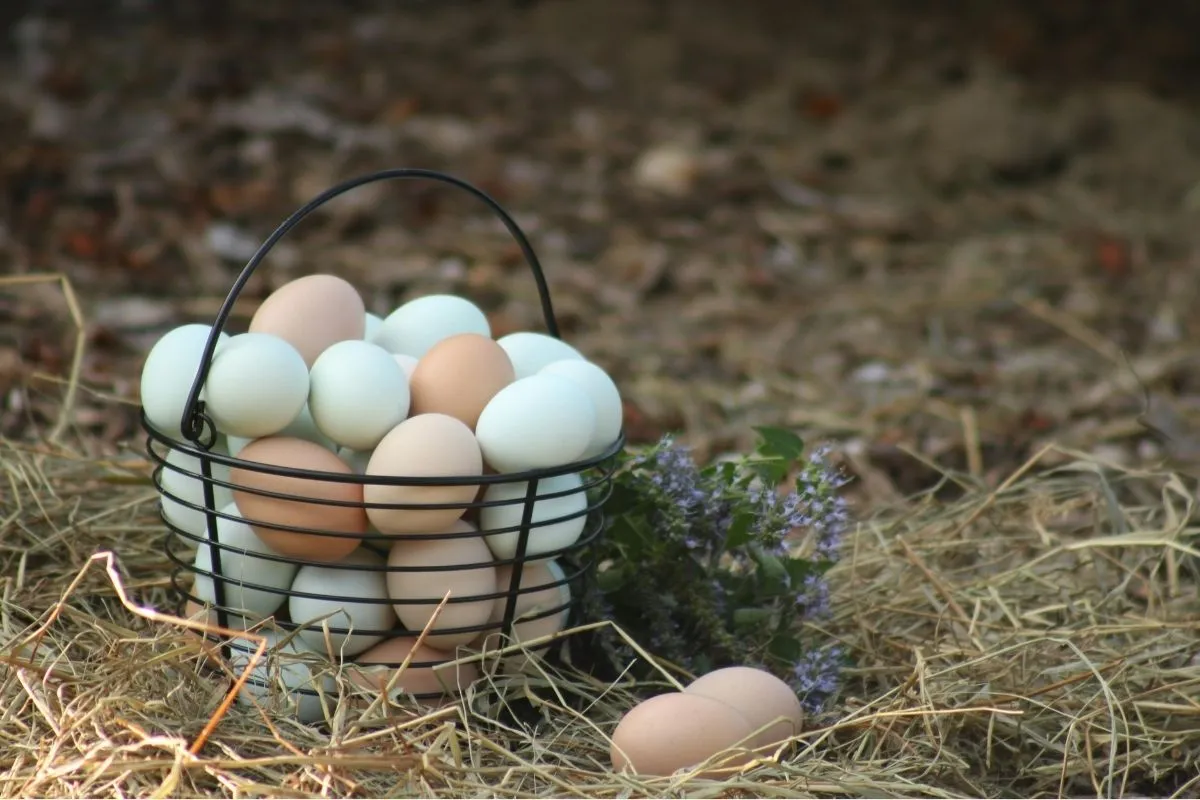
A chicken’s earlobe colour can often predict egg colour. Red earlobes usually mean brown eggs, while white earlobes often mean white eggs.