The following is an edited extract from Flow Hive’s Book of Bees and Beekeeping by Cedar and Stuart Anderson, reproduced with permission.
Before you begin
There are a few things it’s good to be aware of when you’re getting ready to embark on the adventure of beekeeping, and lots that you can do to get ready for the arrival of your new winged friends.
People keep honey bees in all sorts of environments and climates, from urban rooftops and balconies to rural landscapes, suburban backyards and dry, tropical or cold regions. As long as there are flowering plants around for some of the year, your bees should be able to thrive.
Spring is usually the best time of year to get your first hive going. As the Earth wakes up after winter and flowers start to bloom, nectar and pollen are to be found in abundance. Bees use this supply of energy and nutrients to build up their numbers by creating comb and raising new generations of workers and drones. So it’s the easiest time to get bees and usually provides the best conditions for them in their new home.
A lot of people are surprised by how small a space you can keep bees in, especially with a Flow Hive, as it eliminates the need for harvesting equipment. It’s even possible to have bees on a balcony in an apartment building, as long as they have a clear enough flight path and you’ve got room to conduct inspections. It’s important to check local regulations and also talk to the people who live close by.
Bees can live just about anywhere that flowering plants are present, but nutrition is very important for their health and they really do best with a diet of nectar and pollen from varied sources. If you live in a region where there are few or no flowers for long periods every year, you may need to help your bees at times by giving them additional food. Honey bees are capable of flying over 9.5 kilometres (6 miles) in search of food. They typically prefer to forage within a much shorter radius when possible, as shorter flights conserve energy and time.

Being a good neighbour
Consider the proximity to your neighbours when looking for the best place to put your hive. If they’re very close and you think they might have some concerns, you could consider talking to them first. The offer of an occasional jar of honey could be helpful!
Talking to people in your community about bees can even end up being beneficial to pollinator health in your area. Many people are keen to know how they can support healthy bee habitats. They’re interested in the reasons that pollination is so crucial to our environment, the importance of their gardens and ways to reduce the use of highly hazardous pesticides.
Make sure your bees are of gentle stock if you’re keeping them in a location close to other people. Relocate or requeen if the temperament of your hive is showing aggression.
As well as being considerate of your neighbours, ensure you’re aware of any local regulations regarding beekeeping. Although rules on keeping bees vary across countries, states and jurisdictions, hive registration is a very common requirement. Beehive registration assists with maintaining biosecurity, so always check with your local authority to determine what’s required in your area.
Positioning your hive
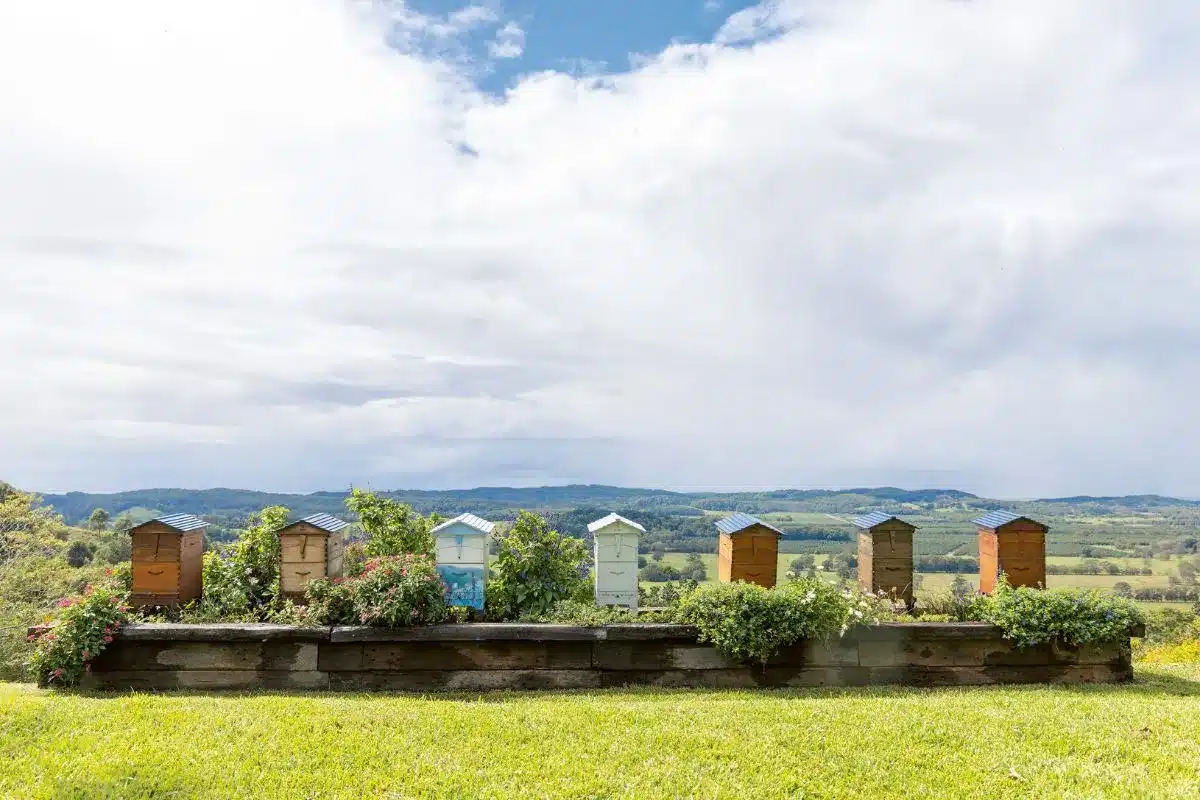
You’d be surprised at the variety of places that people manage to keep bees! Wherever you place your hive, you’ll need to follow some simple guidelines: have room around the hive to inspect and harvest easily; make sure the bees’ flight path isn’t going to cause problems; consider kids and pets on the property, plus your neighbours and any local regulations; keep your hive level in the side-to-side direction; raise it off the ground away from predators and to a comfortable height for inspections; make sure the hive is protected from strong winds or is strapped down; and ensure there is a source of fresh water nearby.
Sun or shade?
Bees can deal with a fairly wide range of temperatures, but if you have a choice between full sun and full shade, sun is often better as it helps to reduce dampness and keep any pathogens, such as chalkbrood, away. However, if you live in a very hot climate, then afternoon shade in summer will likely be welcome. Commercial beekeepers often like to position their hives so the morning sun shines in and gets the bees up working earlier. In a backyard, although an easterly aspect is nice, other factors may be more important in terms of which way your hive faces.
Coming in for landing
Consider your bees’ daily flight path. Even if your bees are generally docile, it’s best if they’re not getting tangled in your hair when they’re on the way back from a foraging trip. Make sure your hive is located away from busy areas and avoid placing it with the entrance facing a walkway. Ideally, you’ll set your bees up with a couple of metres of clear space in front of their entrance to make it easier for them to take off and land. However, their flying skills are incredible and they can make do with a small amount of space if they have to. In situations where there’s not much space, some backyard beekeepers position the entrance of their hives near a fence to make the bees fly upwards and above the heads of passing people.
Another thing to be aware of is that bees are attracted to light, so keep the hive away from strong outdoor lamps or they might miss out on their bee-auty sleep. (Hey, it’s a bee book… we tried to resist, but there’s going to bee a pun or two!)
Be sure to position the entrance away from cars, washing lines or anything you don’t want the bees to “decorate” with tiny yellow dots. Because bees are very hygienic and won’t poop until they fly out of the hive, anything in their flight path is fair game.
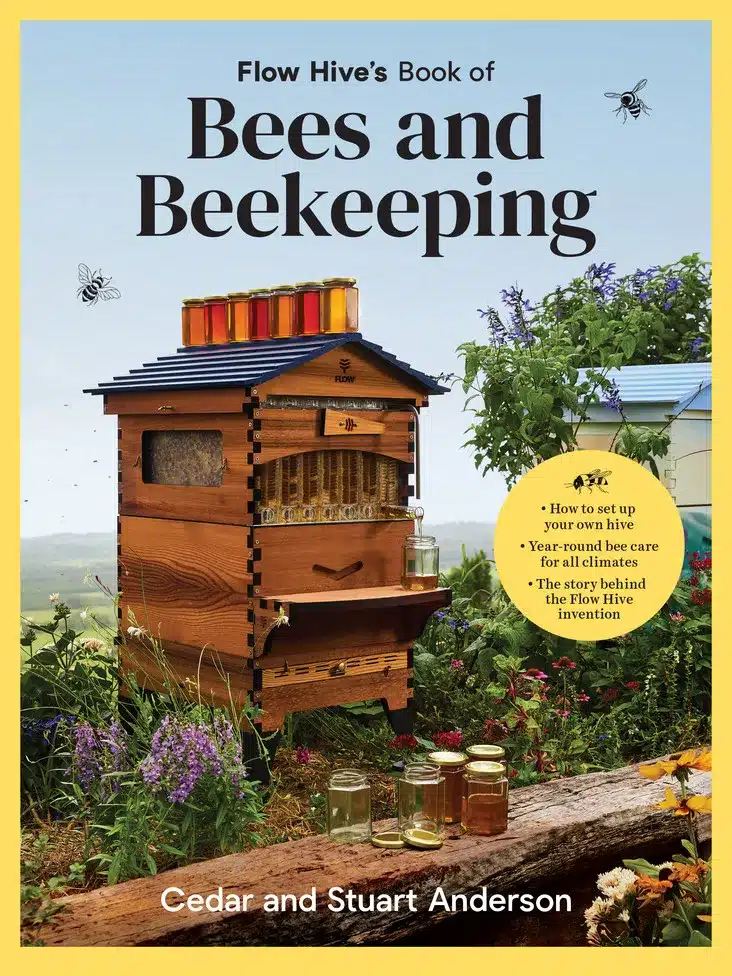
Flow Hive’s Book of Bees and Beekeeping
by Cedar and Stuart Anderson
“When I was growing up we had beehives on the roof of our carport in Canberra. My brothers and I fixed a ladder to the wall so that we could easily access the hives. I loved seeing the amazement on the neighbours’ faces as we climbed up there in our homemade bee suits.”
Stuart
RRP $45.00
Published by Murdoch Books
Available now in bookshops nationally.