
Clare Watson has spent three decades directing for some of Australia’s most prominent theatre companies, including Melbourne Theatre Company, Sydney Theatre Company and the Malthouse, and led Perth’s Black Swan State Theatre Company before taking the helm as Artistic Director of Adelaide’s Windmill Theatre Company. She arrived, describing herself as ‘a card-carrying member of the Windmill Fan Club’ and has since made the city home. We spoke to her about what 30 years of making theatre teaches you, why Adelaide gets the arts right, and the idea that followed her across the country on a stack of index cards.
You’ve directed for some of the country’s biggest theatre companies before landing at Windmill. What kind of director have you become over those years that you weren’t when you started?
You might expect that kind of breadth to build certainty, but in many ways, the opposite is true. What I’ve developed over time is a comfort with not knowing. So, every single show, every single time, I feel more like a beginner. And that feeling has been consistent across 30 years of creating. Early on, I felt more urgency to find ‘the answer’ and these days I relish in the idea coined by Keats of ‘negative capability’. I find that vulnerable ‘not knowing yet’ place very exciting and potent.
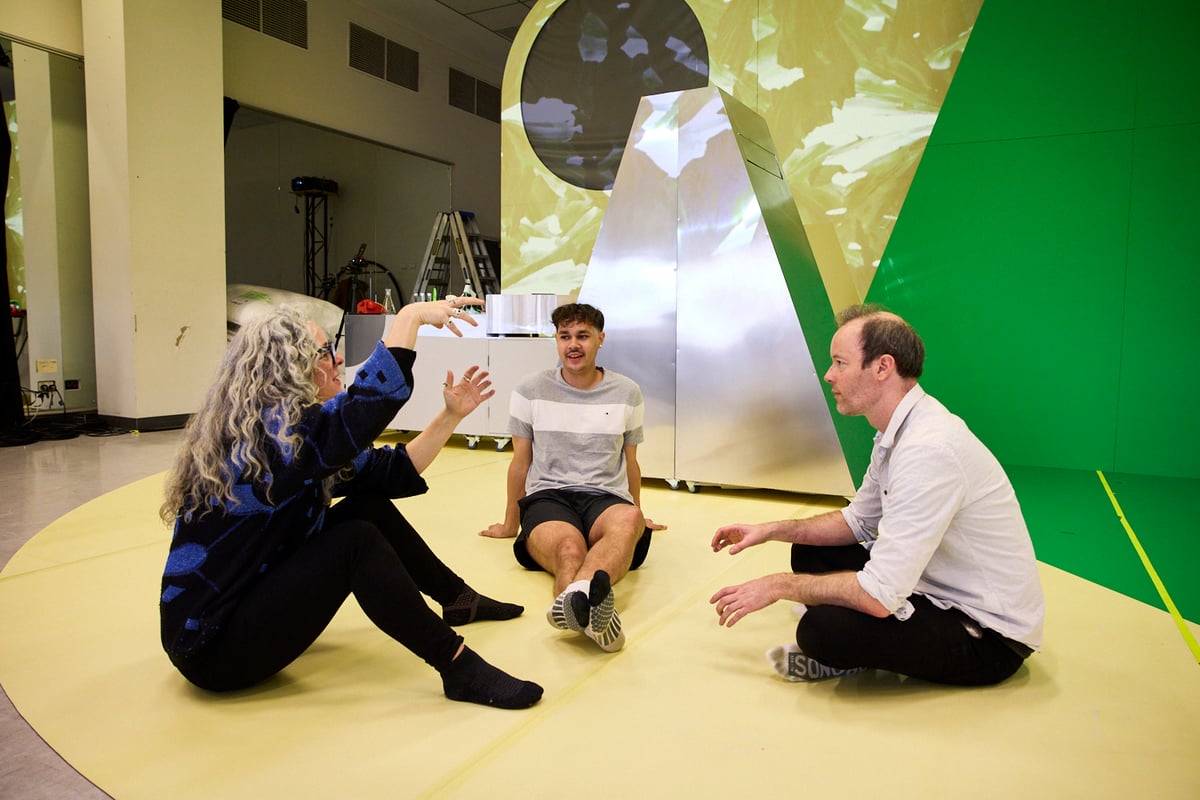
You’ve moved between Melbourne, Perth and now Adelaide for the work. How does each city think about the arts differently, and what has Adelaide got right?
Each city I’ve worked in has its own cultural ecology and creative personality.
Melbourne is brave and fertile with a strong independent scene that really nurtures experimentation. That’s where I grew up, trained and began work as a theatre director and school teacher.
In Perth, the Noongar culture and language are so rich, present and powerful. Leading a state theatre company in Boorloo gave me insight into how a more geographically isolated city builds a strong sense of identity and connection through its major institutions. The city and its theatre scene are smaller and as a result the creative community are truly collaborative and interconnected and the artists are remarkably versatile.
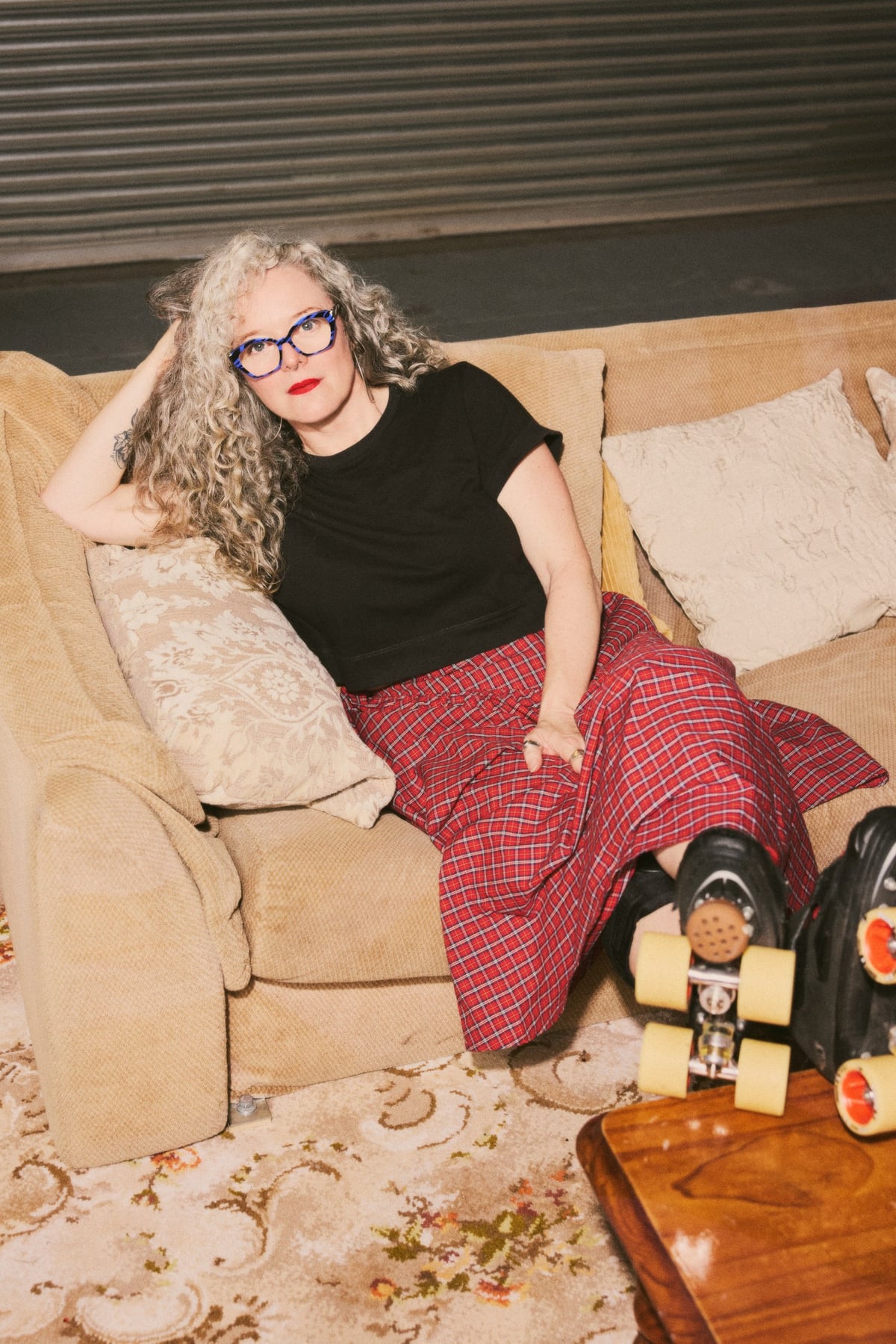
Now, lovely Adelaide is home. The legacy of the Dunstan era is so palpable here. It’s a city that genuinely loves the arts and has built that into its identity. With the Festival and Fringe, there’s an appetite for risk and a real sense of audience engagement. What Adelaide has absolutely nailed is that it understands that culture isn’t an optional extra. It’s part of the identity of the city. That’s powerful.
Running a theatre company means making constant decisions about what’s worth doing. What’s your test for whether a show is one you’ll back?
Choosing what to back is never entirely rational, there’s always a zeitgeist factor, where an idea suddenly feels urgent or necessary in the world right now. It might start as a niggling thought that won’t go away.
Mama Does Derby is a perfect example of that. The idea first arrived in 2009, trackside, full of adrenaline, after experiencing the sport for the very first time. My daughter, Ivy, and I would talk about the idea in the car on long drives when she was little. The idea was written on index cards and sat on walls in theatre company offices around the country, an idea for one day. And then arriving in Adelaide, working with the amazing team at Windmill, meeting local derby athletes, talking with Ivy and Virginia Gay… it was suddenly exactly the right time and right place.
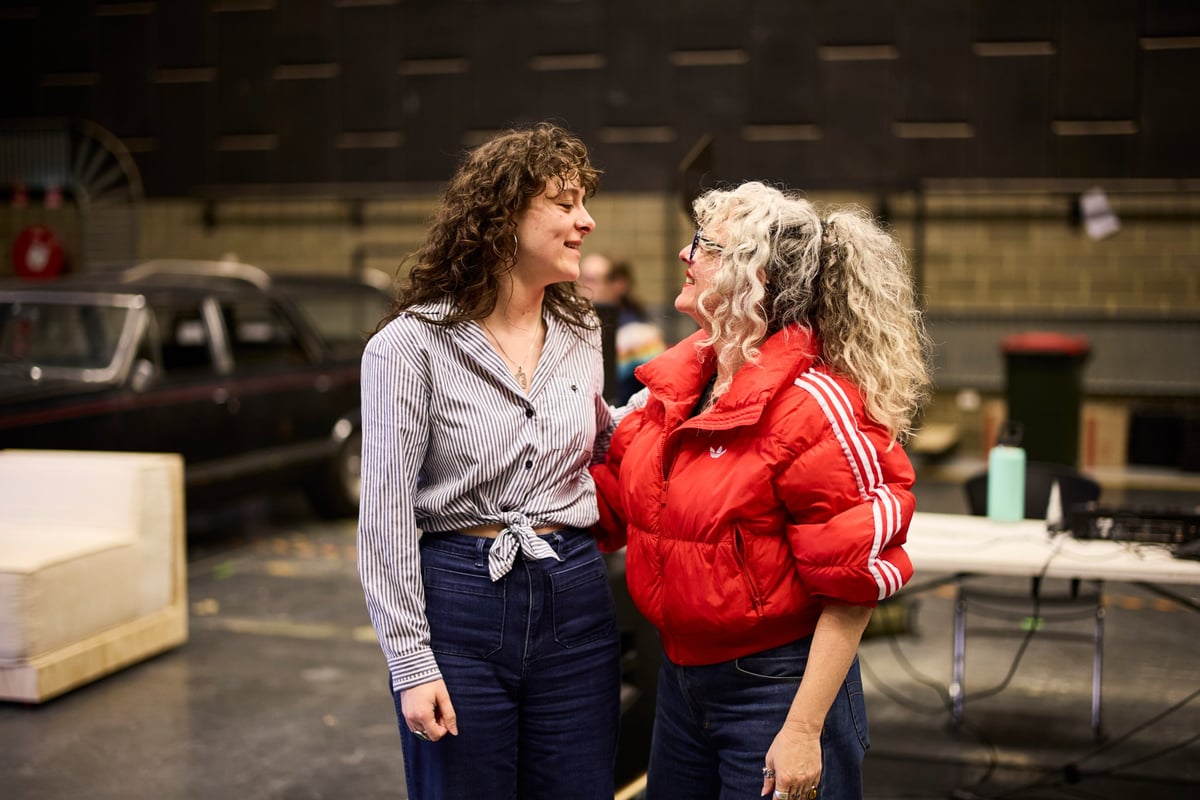
At Windmill, we’re making theatre that offers hope and celebrates resilience. If an idea taps me on the shoulder, whispers in my ear a few times… if it breeds curiosity and makes me equal parts nervous and excited. Well, that might just be the one.
Find out more
Follow Fifty+SA on Instagram and Facebook, and subscribe to our weekly newsletter.