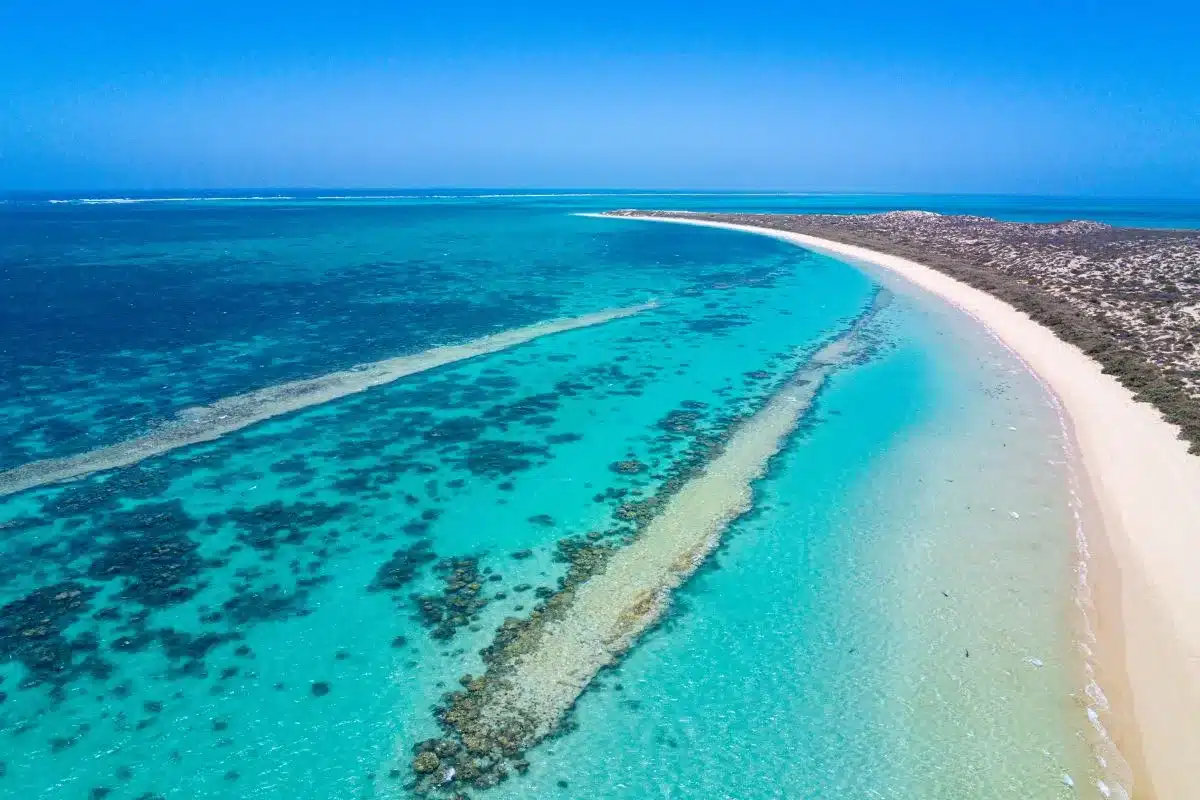
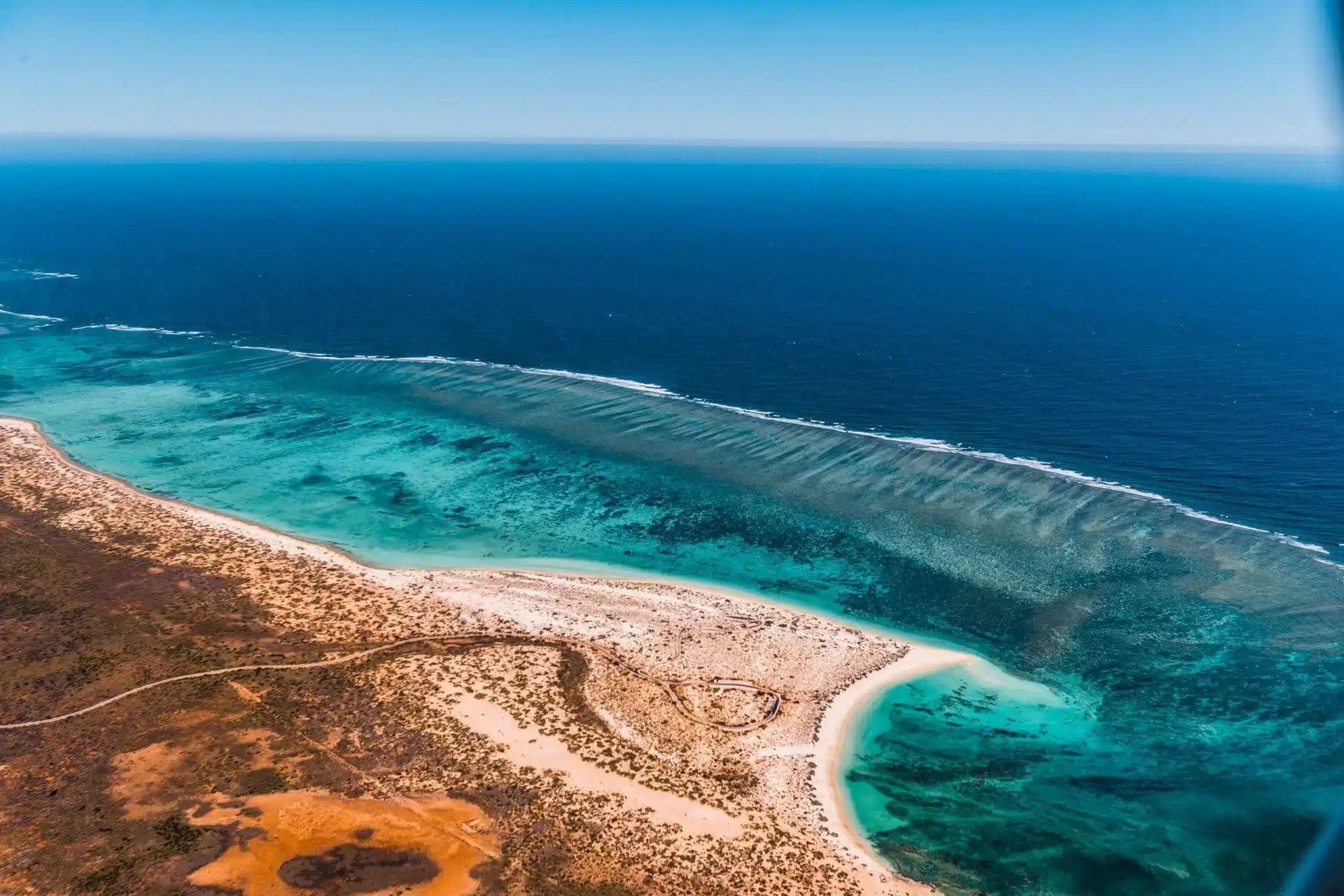
There are places in Australia so extraordinary they still feel like a secret, even when the whole world knows about them. Ningaloo Reef, or Nyinggulu, as it is known to the Baiyungu and Jinigudira people who have called this coastline home for over 32,000 years, is one of them. World Heritage-listed and stretching nearly 300 kilometres along Western Australia’s Coral Coast, it is the world’s largest fringing reef, and unlike its famous east coast counterpart, it begins just metres from shore. You don’t need a boat to find it. You simply walk in.
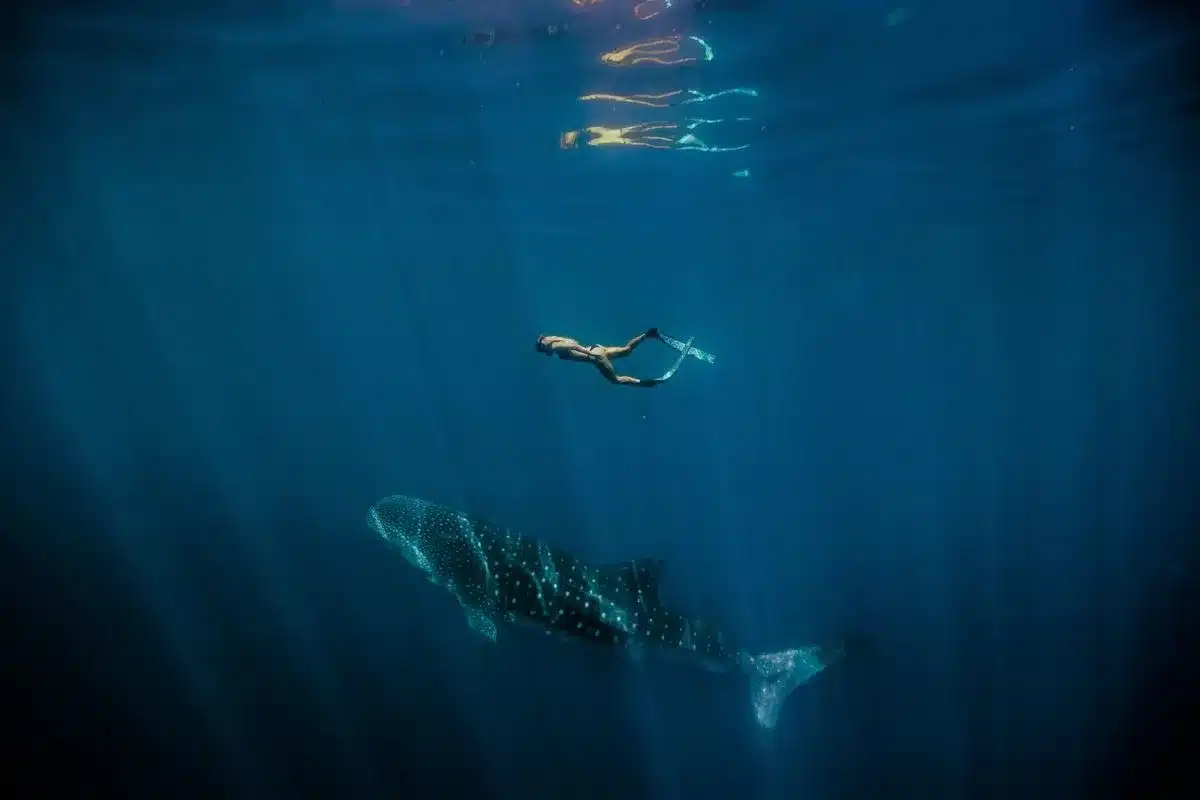
The reef’s showpiece is the whale shark migration, best experienced between April and July, when the world’s biggest fish drift dazzlingly close to land, one of the few opportunities on the planet to swim alongside them. But Ningaloo rewards visitors year-round. Manta rays cruise the reef from April to November, humpback whales migrate through from June to November, and turtles nest en masse along the coastline in late autumn, with hatchlings racing to the ocean on hot January nights.
On land, the drama continues. Cape Range National Park frames the reef with rugged limestone ranges and pristine beaches, and Turquoise Bay, consistently rated one of Australia’s most beautiful beaches, offers a famous drift snorkel that carries you gently over coral gardens alive with parrotfish, rays and reef sharks.
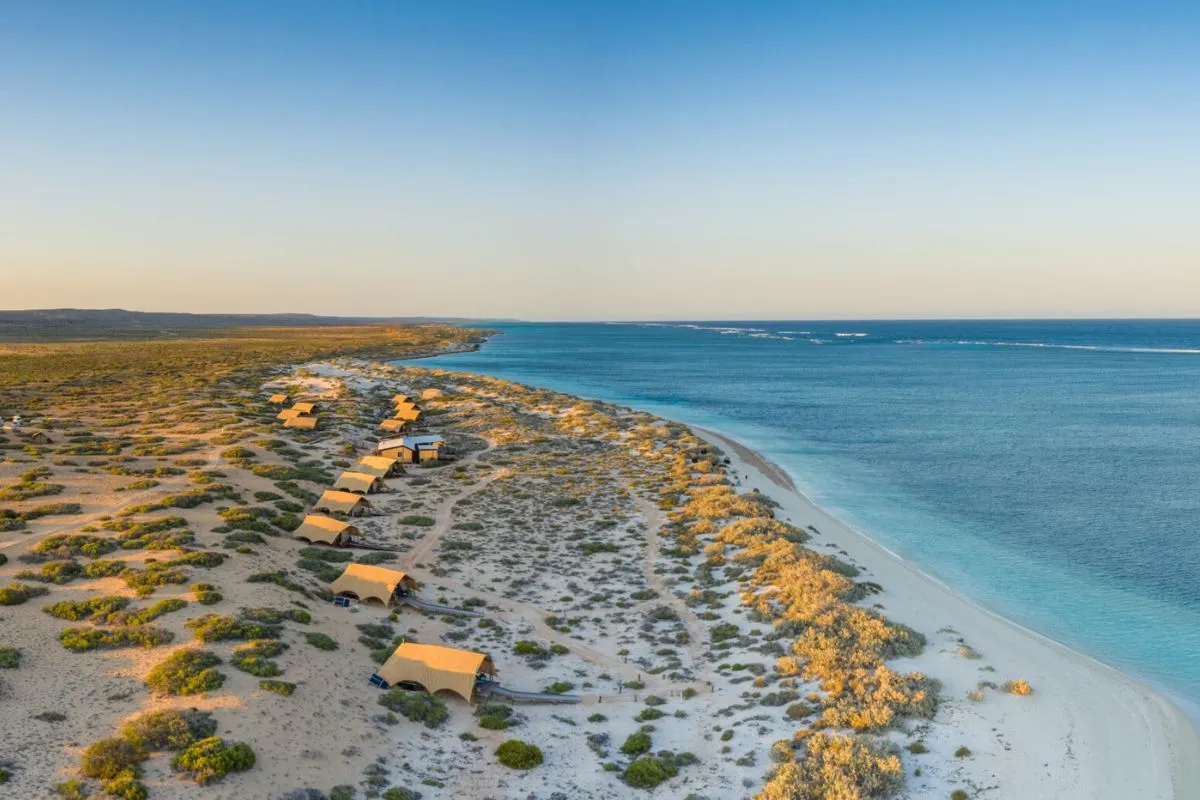
The gateway town of Exmouth is small, unhurried and entirely unpretentious, which is much of its charm. For something more immersive, Sal Salis Ningaloo Reef offers wild bush luxury in a safari camp nestled in the Cape Range dunes, where five-star meals are served as the sun drops over the Indian Ocean. It is, by most measures, as good as it gets.
Know before you go
Getting there: Fly into Learmonth Airport from selected Australian states and territories. Exmouth is 36km from the airport, Coral Bay around 117km. Hire cars are available but book ahead.
Two bases to choose from: Coral Bay tends to attract families, while Exmouth draws a younger crowd of holidaymakers and serious divers. Both offer direct reef access.
Best time to visit: March to October for comfortable temperatures. April to July for whale sharks. June to November for humpbacks.
Don’t miss
Swim with whale sharks: The industry is well regulated, with limited people allowed in the water at a time. Tip: pay more for a smaller boat to maximise your time in the water.
Turquoise Bay drift snorkel: Enter at the southern end and let the current carry you over the coral. One of the great free experiences in Australian travel.
Navy Pier, Exmouth: One of Australia’s top ten dive sites, accessible from shore within the Naval Communications Station.
Yardie Creek Gorge: Red canyon walls rising from still water, with black-footed rock wallabies on the cliffs above.
Pack this
A 3mm wetsuit, reef-safe sunscreen, a good hat and your own beach umbrella. There is almost zero shade on the beaches. And leave the agenda at home. Ningaloo moves at its own pace, and that’s entirely the point.