State Opera South Australia closes its Golden Jubilee season with Carmen in Adelaide in October 2026, and the production heading onto the Her Majesty’s Theatre stage is a brand new one – built here, set squarely in 1825 Seville, and with the colour turned all the way up.
Director Laura Hansford came to opera through stage management rather than a conservatorium, and after two seasons staging other people’s productions for the company, this is the first she has made from scratch. We asked her about crowds, colour, the ending everyone argues about, and what to do if you have spent years meaning to go to the opera and never quite got there.
A lot of our readers have thought about going to the opera for years and never quite got there. Is Carmen the right first one – and what should they do about the surtitles?
There are very few better first operas than Carmen. And if you don’t know what surtitles are, they’re essentially the translation that runs above the stage throughout the show, so if your French is as rusty as mine, don’t worry, you’ll get every word.
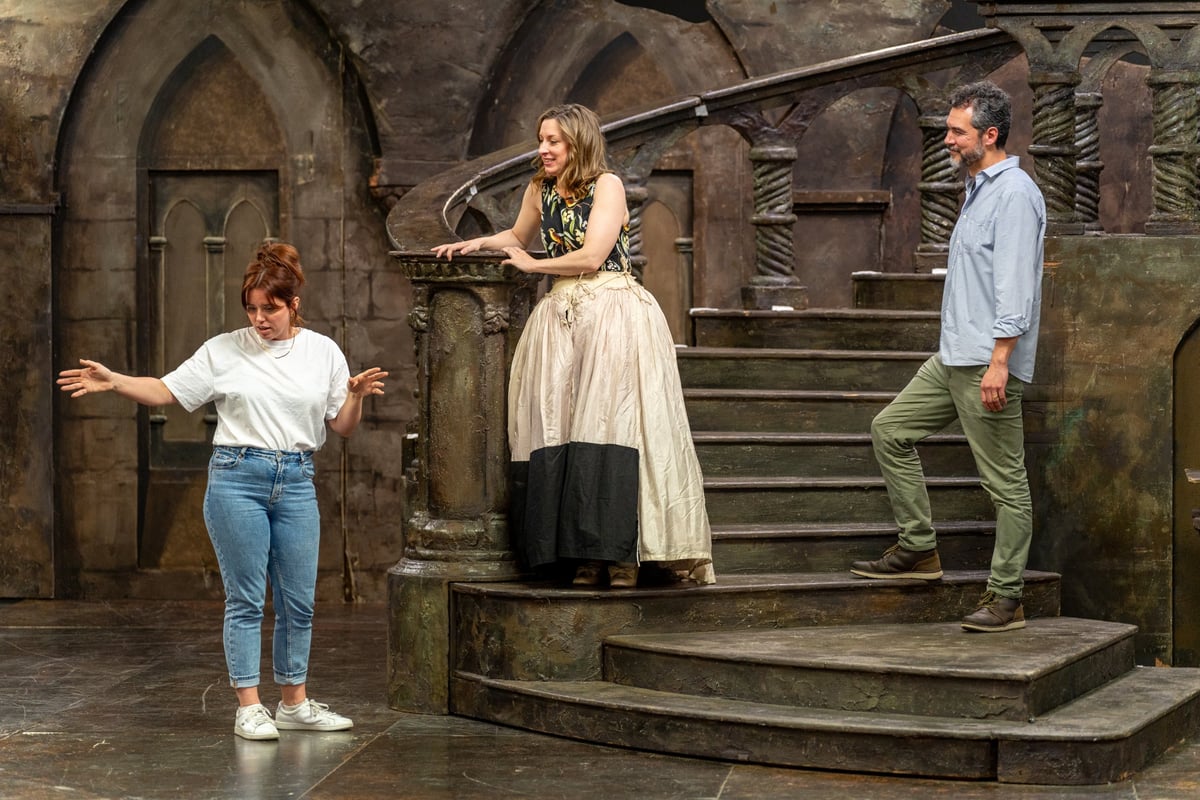
But beyond that, Carmen is just such a watchable show. Bizet’s music does so much of the storytelling for you, the story moves, the characters are complicated and human, and I guarantee you already know more of the music than you think you do. If you’ve been considering going to an opera and just haven’t quite made the leap yet, this is the one.
Plenty of recent Carmens have been relocated to other times and places. You’ve gone back to 1825 Seville. Why?
I adore showing just how relevant the stories opera tells can be to a contemporary audience. So yes, we’ve gone back to 1825 Seville, but we’ve also turned the volume knob up in 1825.
I don’t think you need to relocate a story to make it feel contemporary. Sometimes digging deeper into the world it came from – the politics, the gender dynamics, the class structures, who holds power and who doesn’t – reveals just how little some things have changed.
We’re not trying to recreate 1825 with absolute historical accuracy. We’re using it as the foundation and then pushing it, heightening it, and making the things that matter to us now impossible to miss.
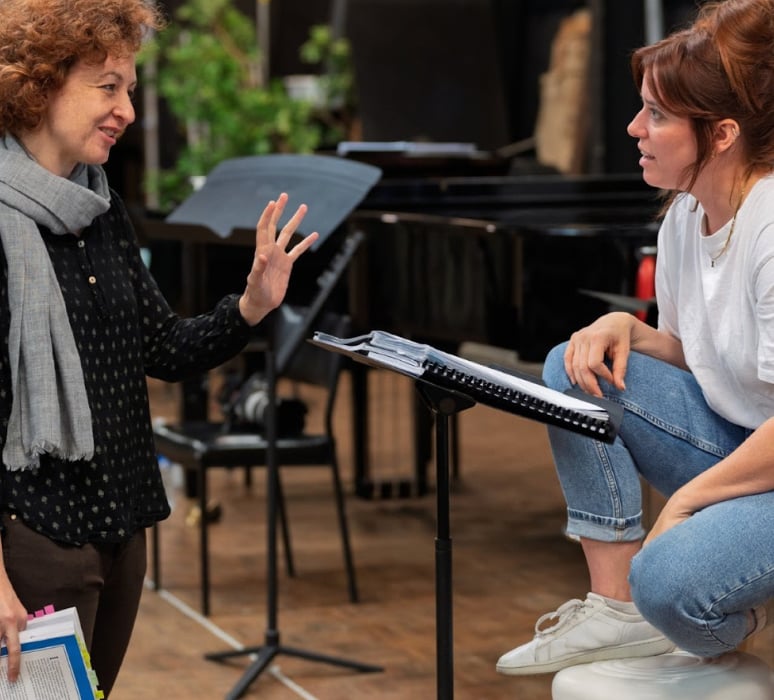
The production is described as approaching that setting through a lens of maximalist surrealism. What does that mean for someone sitting in the stalls on opening night?
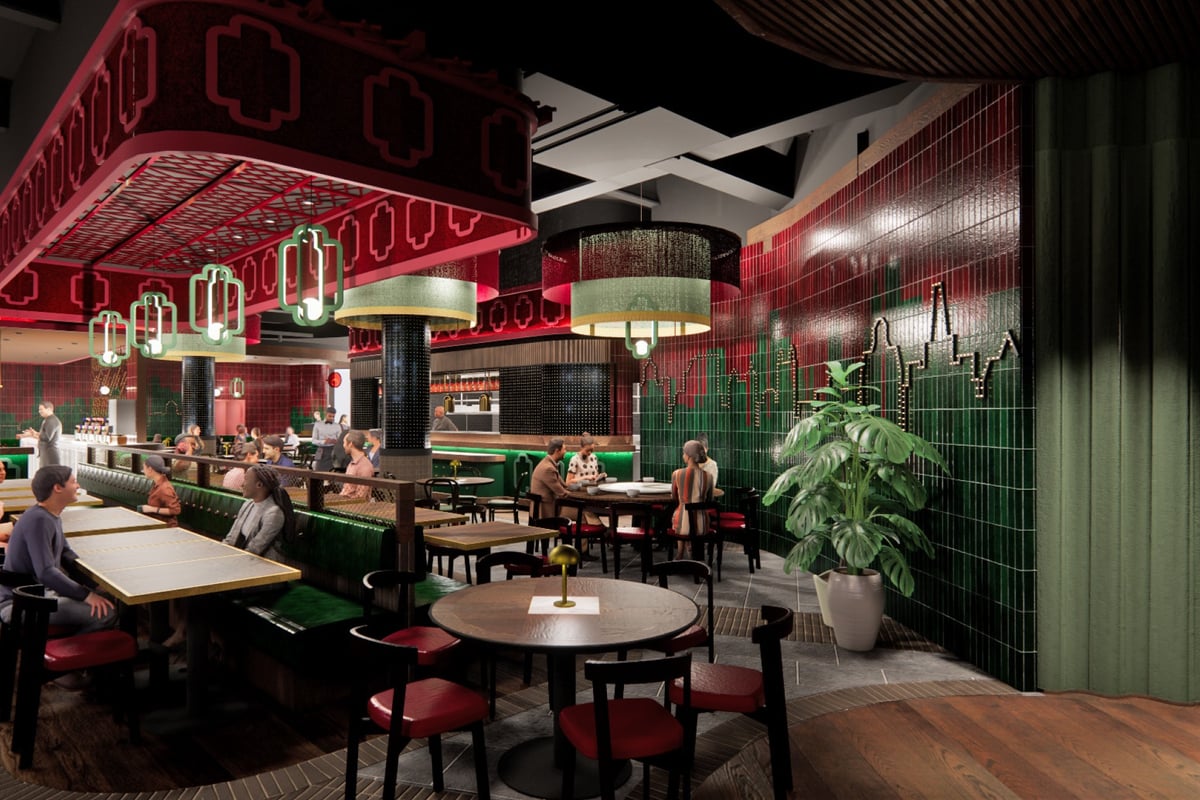
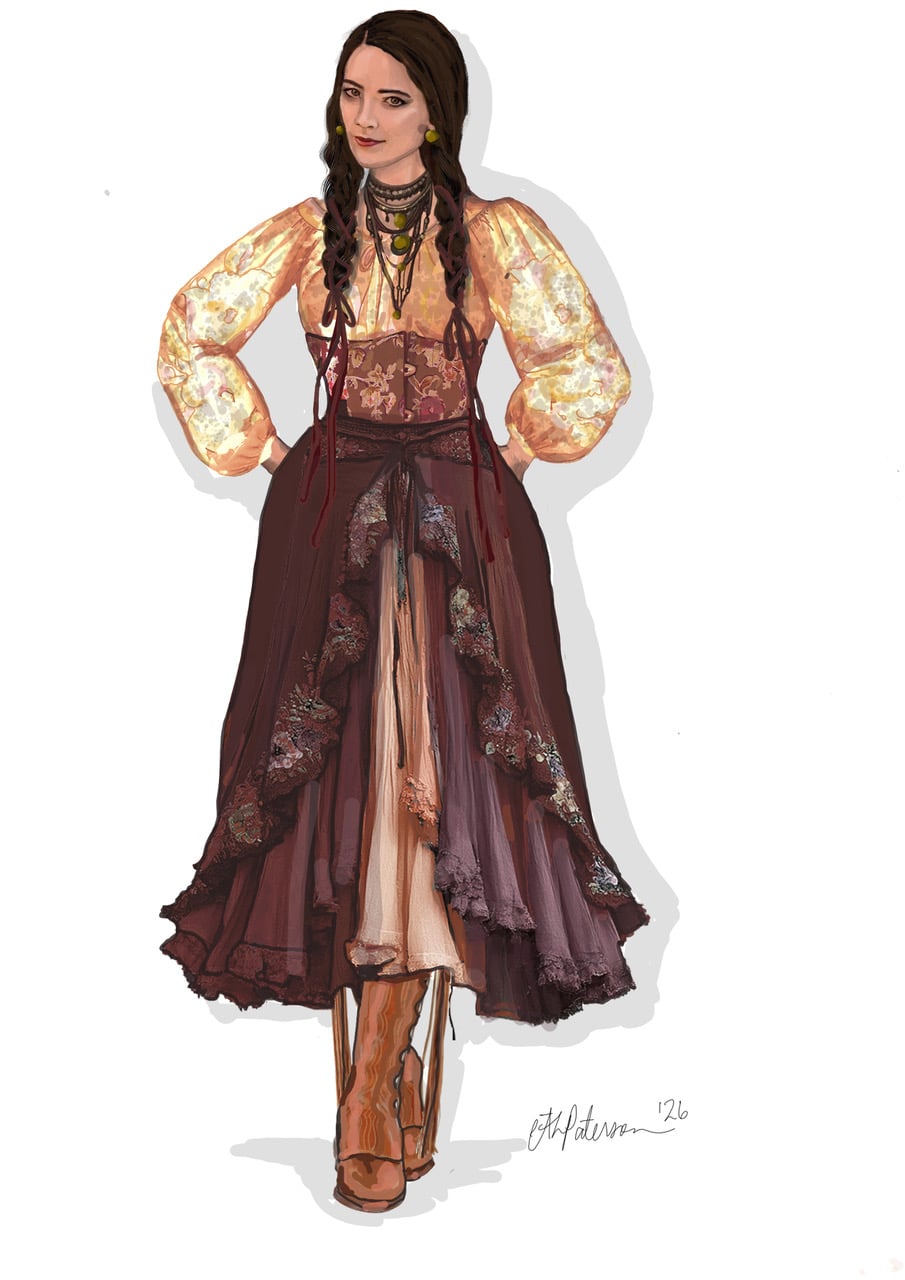
I certainly can’t claim sole ownership, but yes, that’s how our wonderful designer Ailsa Paterson and I like to describe the way we’ve approached creating this world. The structures and the people belong to 1825 Seville, but the colour is completely dialled up – hyper-saturated, heightened, almost too much.
The world of Carmen is loud. It’s hot, crowded, messy and full of people living right on top of each other, and we wanted that feeling to translate into the design. So for someone sitting in row F, I would say thanks for buying a great ticket, and ‘maximalist surrealism’ means the feeling of Spain translated into colour.
Audiences are promised a world of blazing colour that bleeds away as Don José unravels. So is the design telling her story or his?
I don’t see it as an either/or. Carmen’s story is, and always will be, central to this opera. Her vibrancy, her certainty and her unwillingness to shift her sense of self for anybody are constants in our production.
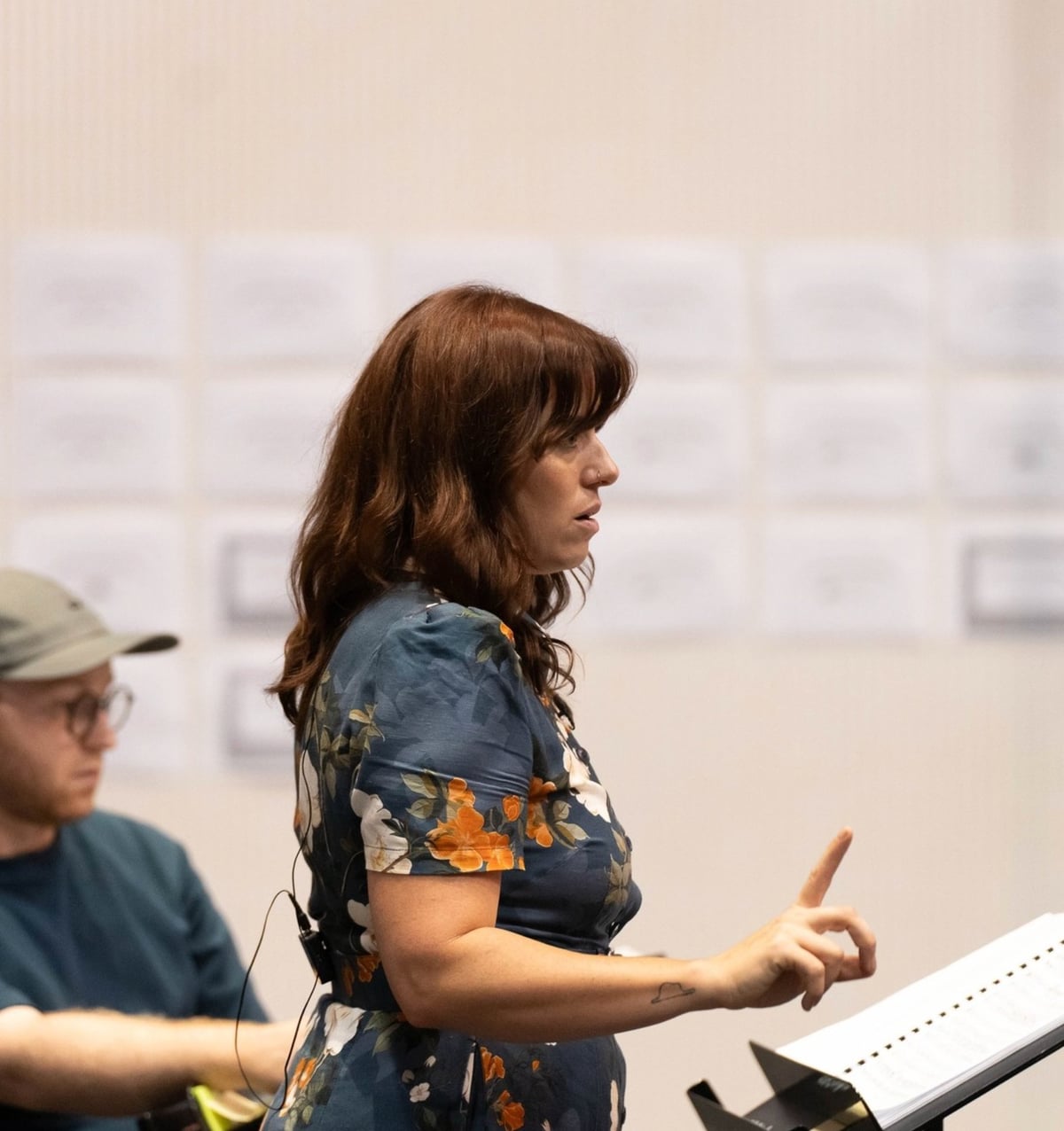
What changes is José. He is a leaf in the wind, and he spends the whole opera trying to understand himself through the people and society around him – as a soldier, a son, a lover – and gradually he falls short of all those roles. So when the colour begins to bleed from the world, we’re not handing the story over to him. We’re watching his ability to exist within Carmen’s world disintegrate.
Carmen and the world of the Romani don’t become less vivid. If anything, as everything else falls away, we see her more clearly.
Carmen is a crowd opera – the factory, the tavern, the bullring. How are you using that crowd?
Don’t tell the principals, but working with a chorus is one of my favourite things about opera. It’s like having 40 different little world-builders at your disposal, and the State Opera South Australia Chorus are so brilliant at building out the worlds I’ve been lucky enough to inhabit with them in the past.
Carmen is extraordinary because of who she is, but for me the most exciting way to understand that is through the world she is refusing to bend to. In Carmen, the chorus create that world: the social rules, the hierarchies, the judgement, the danger and the energy of our little version of Seville.
Some recent productions have rewritten or reframed the ending entirely. Where do you land, and did you ever consider changing it?
Of course, the big question with Carmen is always, ‘but how does she die?’ One of the brilliant challenges of opera is getting an audience to care about an ending that is inevitable.
I love that Carmen has had so many iterations over its lifetime that this final moment has almost become a choice each director gets to wrestle with. For me, the question isn’t really whether we change the ending, but how we arrive there, and what we want the audience to understand about these two people when we do.
I can guarantee that our dear Carmen won’t make it out alive. For the specifics of her demise, I’m afraid you’ll have to turn up to the theatre.
Charlotte Kelso is making her role debut as Carmen, having begun her career as a mezzo before moving into soprano repertoire. What does she bring that another singer might not?
A role debut in a brand new production is such an ideal combination, because we get to create it together. There are no preconceptions and no ‘last time I did it this way’. We get to start with Carmen and work out who she is for us.
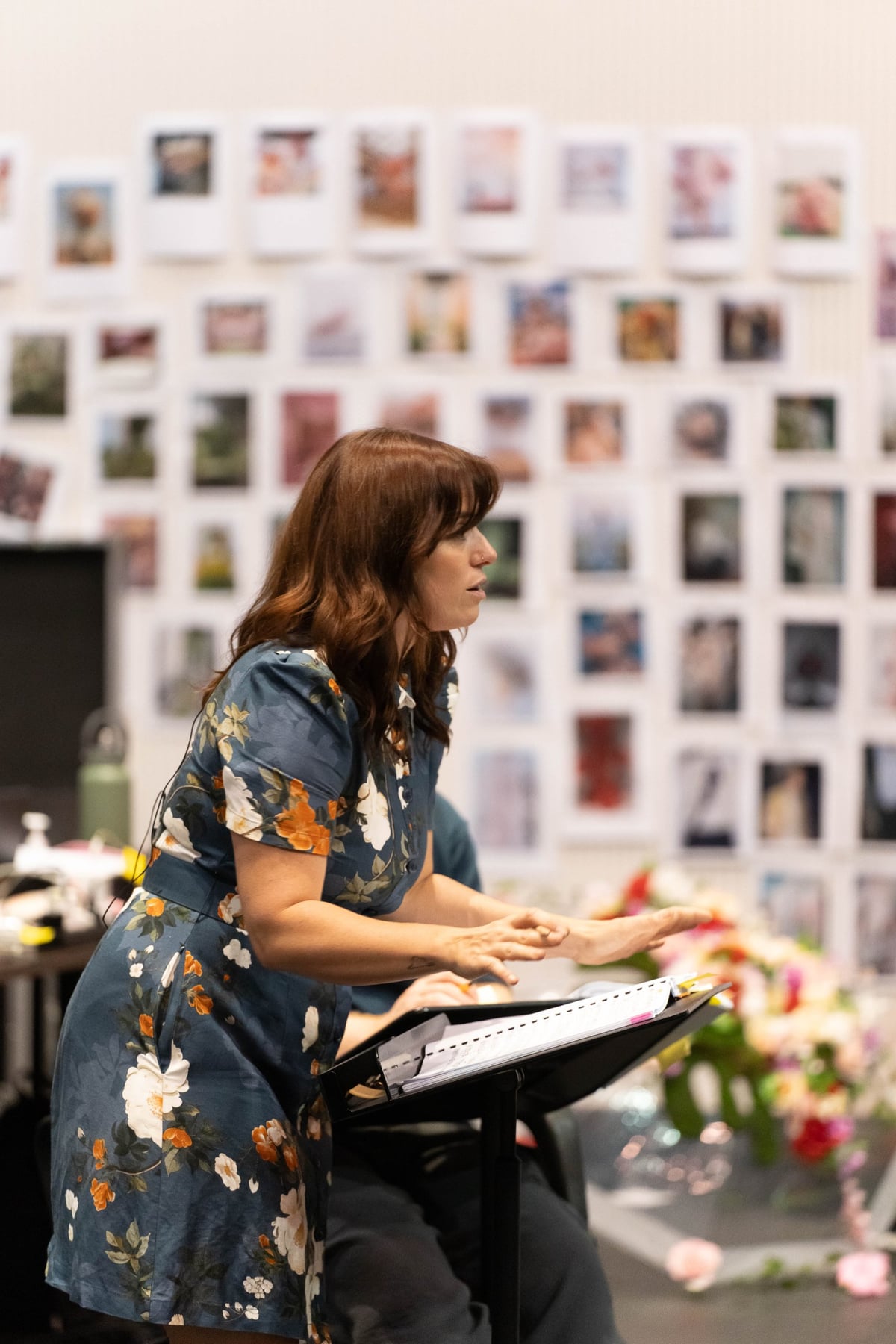
Charlotte is an absolute powerhouse and, despite already being such a prolific performer, there’s a youthfulness to her that I’m really excited to see in Carmen. This is such an iconic role that it can come with an enormous amount of baggage about who Carmen is supposed to be. Charlotte gets to come at her completely fresh, and I think that’s going to give us a Carmen who feels incredibly alive.
You came to directing through stage management rather than singing or a conservatorium. What did that route give you that a conventional training wouldn’t have?
I’d like to believe that getting into directing via the illustrious career of stage management gave me a profound respect for every inch of what it takes to make a production – and beyond that, just how much elasticity there is in all the different elements that come together to make a show.
It’s more than the music, or the actions of performers. It’s the set, the lighting, the costumes, the mechanics of how people and things move through a space in a perfect ballet. All those elements stretch and shift and respond to each other.
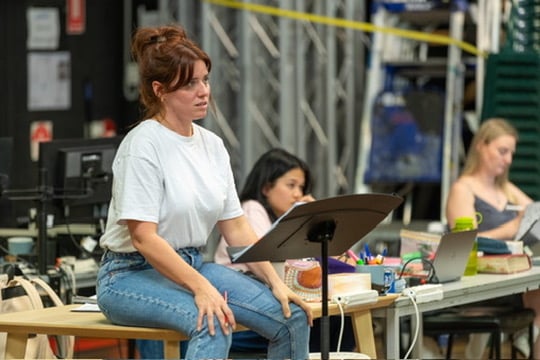
And then what I love is that the stage management route didn’t give me a hard and fast rule book for how things are supposed to be done. Not being taught the one way to make proper opera has allowed me to stay curious about what might be possible.
This is your third production with State Opera but your first making a new one rather than staging someone else’s. What’s different about walking into that building in the chair instead of beside it?
I am quite literally walking into a different building. State Opera has moved from Netley into its new home at the ABC building, so there’s a lovely sense of something new for all of us in this one.
But working here has always felt a bit like coming home. I’ve been making shows with many of these people for over a decade now, in lots of different capacities, so to be in the director’s chair creating a brand new production with a team I know and trust makes a gal feel damn lucky.
The Golden Jubilee season has been Cinderella, Hansel and Gretel and Into the Woods – and then this. What’s Carmen doing at the end of a fairytale season?
I’d reckon that Carmen slips comfortably into this collection of fairytales. Go with me on this tenuous thread pull, but these aren’t really stories where the princess is saved by the prince and everybody lives happily ever after – even Cinderella. They’re moral tales. They’re warnings. They ask questions about danger, desire, consequence, and our perception of who is good and who is bad.
Carmen is doing all those things too. So while the ending might not be particularly Disney, it’s certainly very Brothers Grimm – who I think would have got along well with Bizet.
Carmen, State Opera South Australia
Her Majesty’s Theatre, Adelaide
October 2026
Sung in French with English surtitles
Tickets and full cast at stateopera.com.au
Follow Fifty+SA on Instagram and Facebook, and subscribe to our weekly newsletter.