
A decade ago, thousands of Australian women volunteered for a pregnancy study that would change the approach to preventing premature birth. Today, their children are school age, giving researchers an opportunity to understand the longer-term impact of nutrition during pregnancy.
Led by Dr Karen Best, Program Lead of Pregnancy and Newborn Health at SAHMRI, the Beyond Birth project is investigating whether a mother’s omega-3 levels during pregnancy could influence her child’s health, development and learning years later.

The project builds on the landmark Omega-3 to Reduce the Incidence of Prematurity (ORIP) Trial, which involved more than 5,500 women across Australia.
The research discovered that women with low omega-3 levels early in pregnancy were at greater risk of early preterm birth, and that supplementation reduced that risk by up to 77 per cent.
These findings helped inform national pregnancy guidelines and led to South Australia’s pioneering Omega-3 Test-and-Treat Program, which enables pregnant women to have their omega-3 levels checked as part of routine antenatal care.
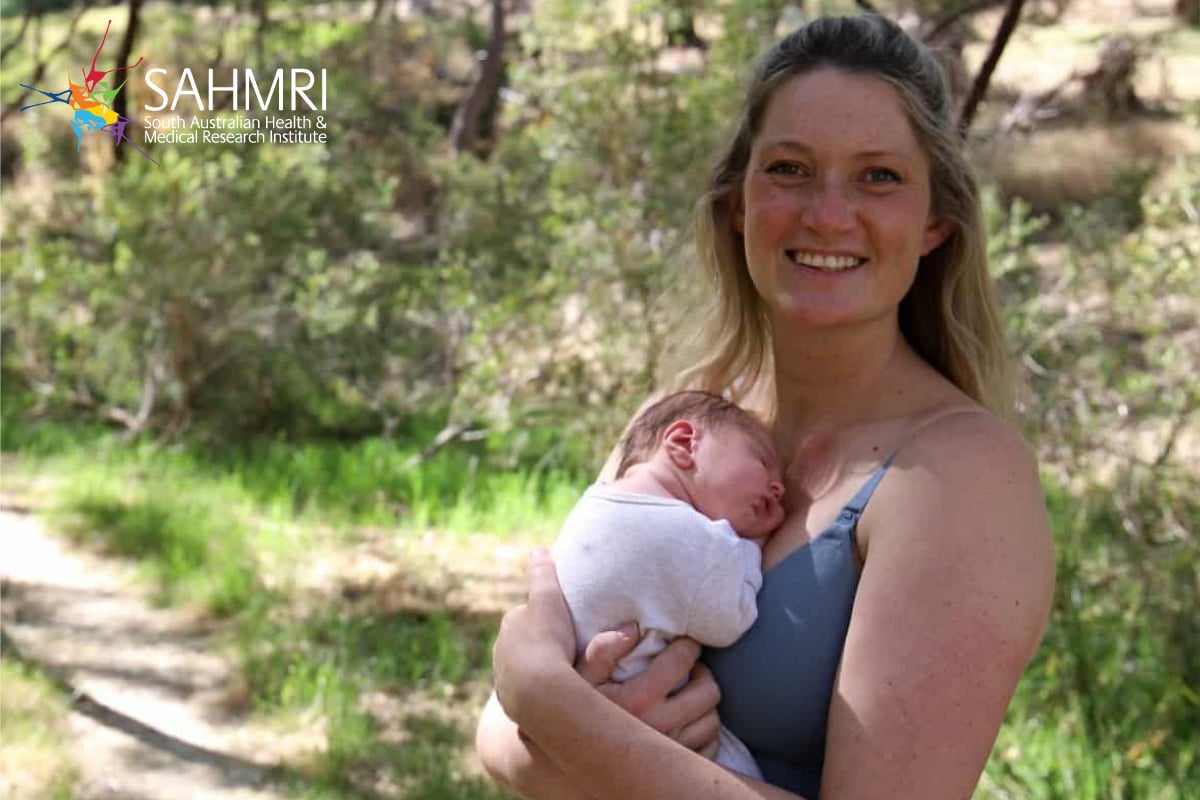
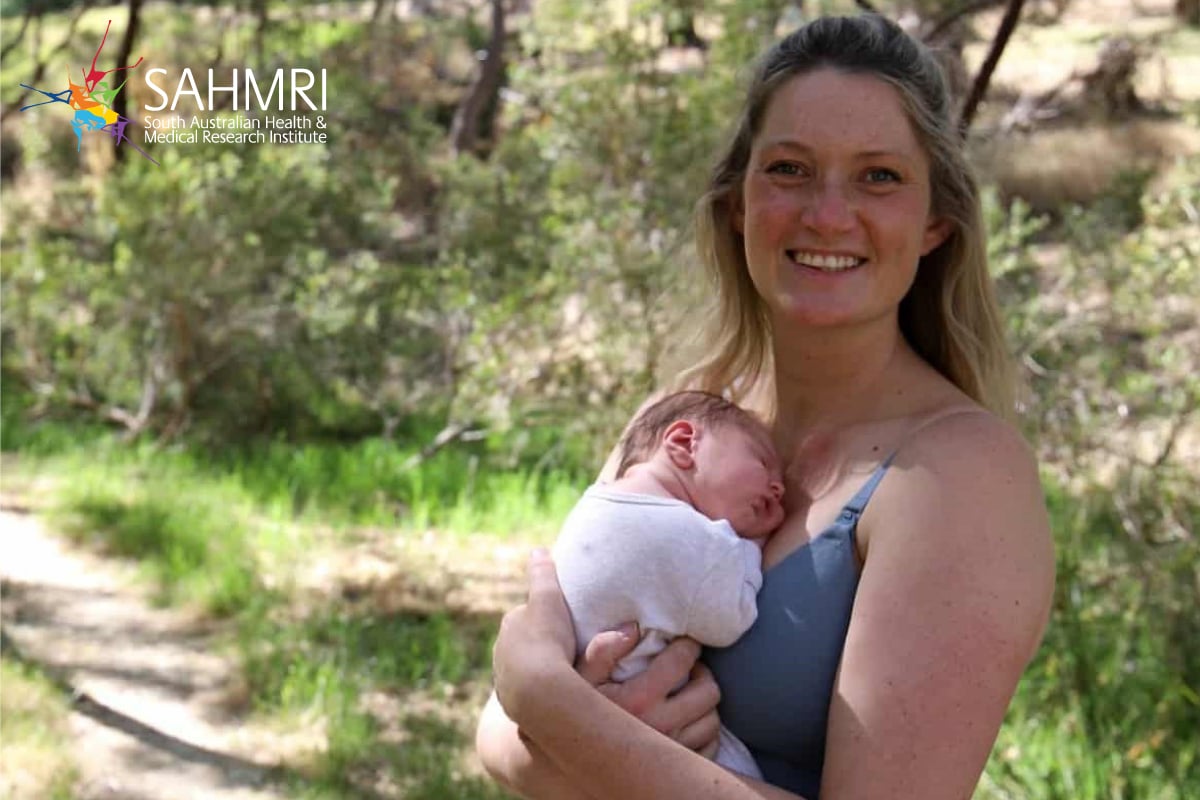
New mum Amy Christie is among more than 45,000 South Australian women who have benefited from omega-3 testing.
“I consider myself very healthy but was unaware of any risks of being low in omega-3,” Amy said.
“My doctor checked my omega-3 levels as part of my routine pregnancy blood testing. When I received the results, I found out I was low and started supplementing.”
Amy’s daughter, Amber, was born healthy and full-term at the end of 2025.
“I am so grateful I was able to learn about the importance of omega-3 in pregnancy,” she said.
Now researchers are looking beyond birth to what happens next.

The Beyond Birth program involves over 2,700 South Australian children whose mothers participated in ORIP. Using linked, de-identified health, development and education records, researchers will explore whether omega-3 levels and supplementation during pregnancy are associated with childhood outcomes including hospital admissions for asthma, eczema, food allergies, early child development and educational achievement.
“What makes this study particularly valuable is that ORIP measured each woman’s omega-3 status before supplementation began,” Dr Best said.
“This gives us an opportunity to better understand whether omega-3 levels during pregnancy can influence a child’s health and development years later.”
The children, born between 2014 and 2017, are now aged around eight to 12 years, making this an ideal time to assess meaningful health, developmental and educational outcomes.
Beyond Birth could help refine nutritional advice during pregnancy while providing new insights into how a mother’s nutrition may influence her child’s health long after birth.
Follow Fifty+SA on Instagram and Facebook, and subscribe to our weekly newsletter.