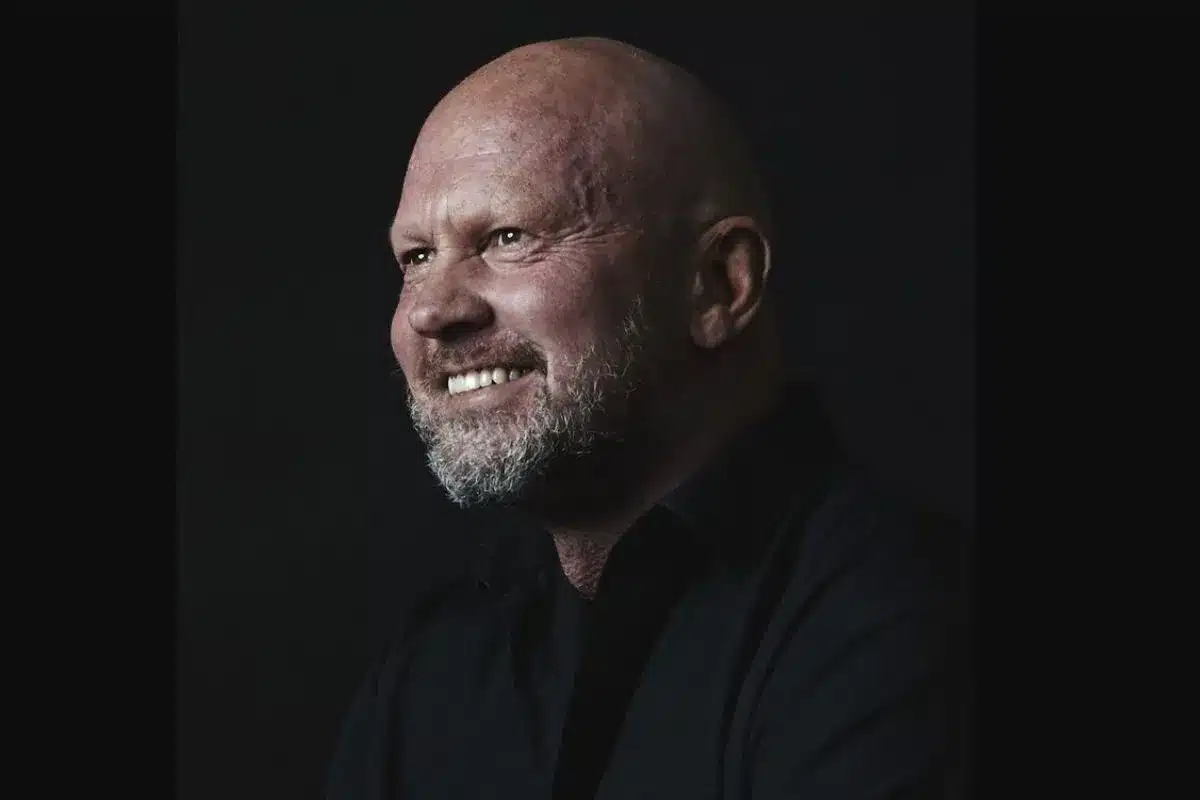
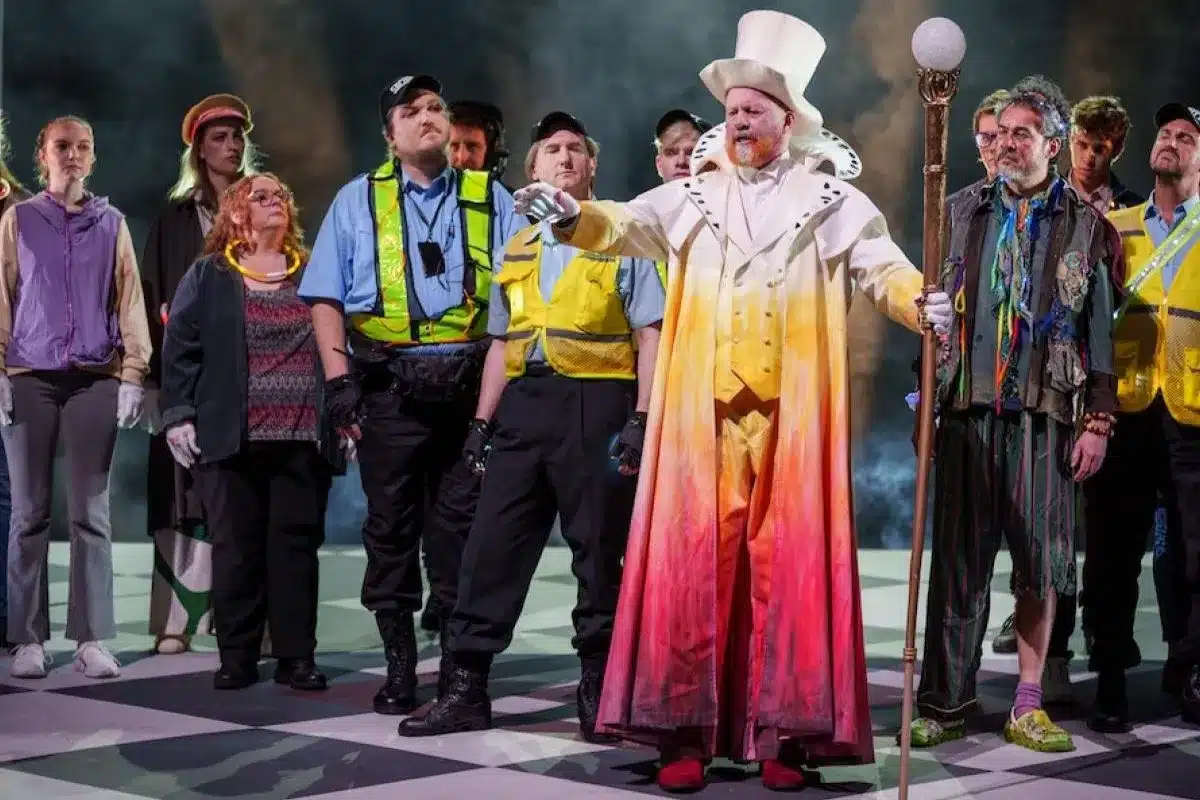
New Zealand-born bass-baritone Teddy Tahu Rhodes has performed on some of the world’s most celebrated stages – the Metropolitan Opera, Hamburg Staatsoper, Bayerische Staatsoper in Munich, Théâtre du Châtelet in Paris – and earned an ARIA, two Helpmann Awards and a Limelight Award along the way. Now based in Adelaide and teaching at the Elder Conservatorium of Music, he’s preparing to take on the role of Don Magnifico in Rossini’s Cinderella.
We asked Teddy about the roles that shaped him, the joy that keeps him on stage, and what he hopes to build here in South Australia.
Your voice has cast you as tyrants, priests, prisoners, patriarchs and kings. Is there a role that came closest to who you actually are – or one that unsettled you to inhabit?
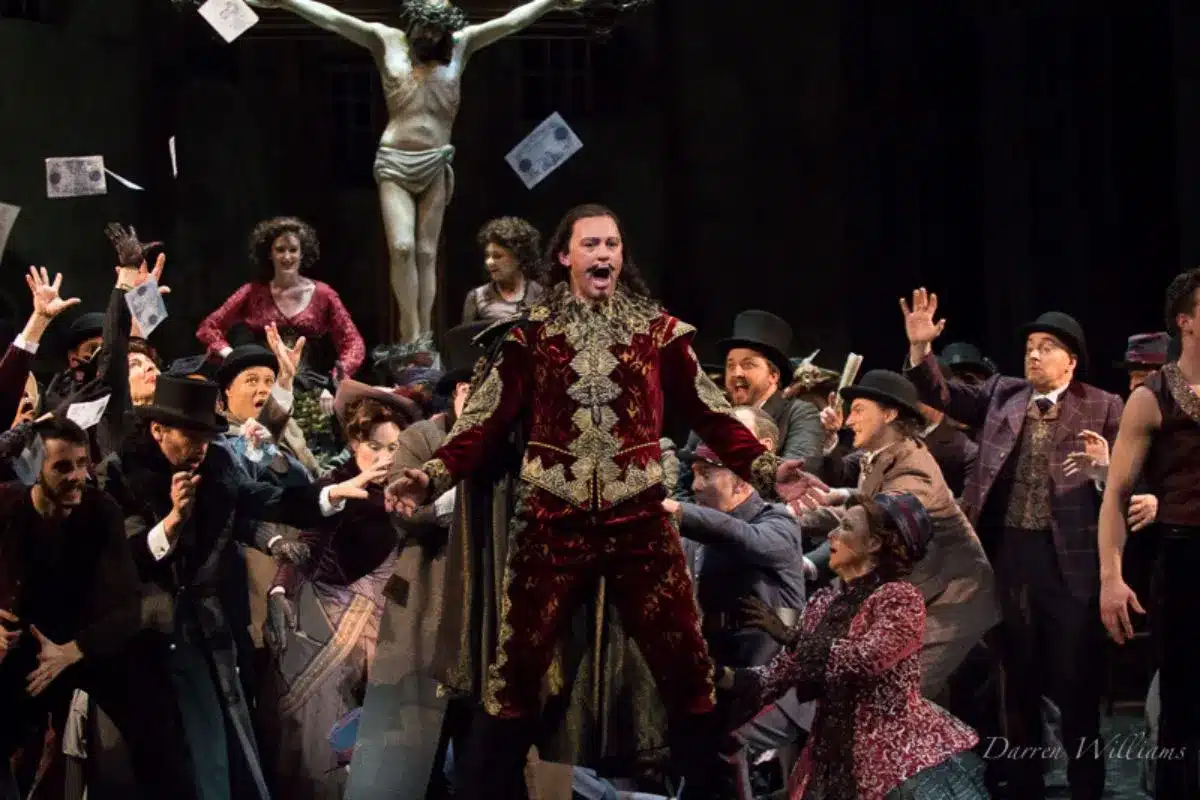
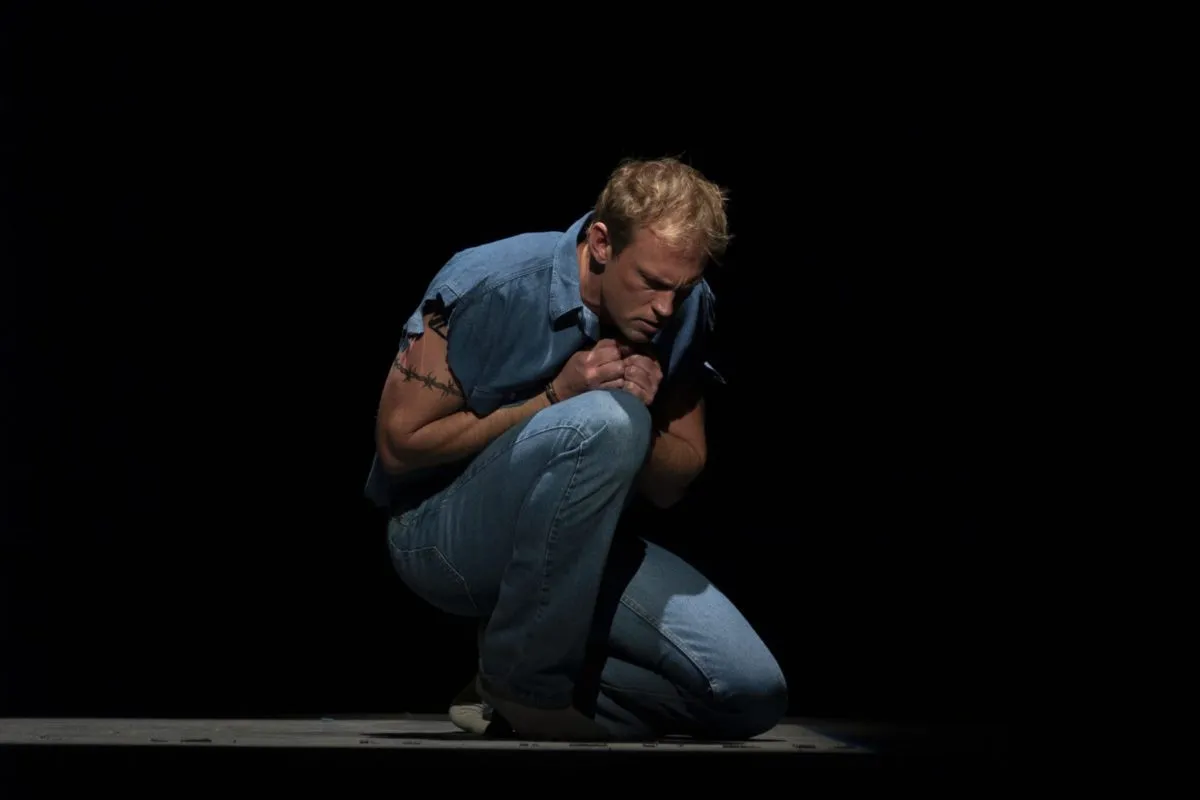
That’s quite a confronting question, to analyse oneself through a character! I can definitely say that playing Stanley Kowalski in André Previn’s A Streetcar Named Desire was unsettling at times. It felt so real, especially being set in the mid-1900s. As for a character that comes close to who I am? To be honest, I don’t think I’ve found him yet.
Bass-baritone voices tend to attract a particular kind of character: the authority figure, the morally complex, the one the story pivots around. Do you feel your voice chose your career, or did you choose it?
Oh, I absolutely feel the career is a consequence of the voice, mixed with a great deal of luck, timing and incredibly kind people who took a risk on me. Once it began, it fashioned its own direction and I just went with it.
Don Magnifico is vain, socially ambitious and utterly convinced his family deserves greatness – while treating the one person who actually deserves it worst of all. What do you find to like in him?
Great observation! Interestingly, 30 years ago when I played Dandini in the same opera, the Don was considered a humorous character despite his qualities – or lack of. His role is somewhat bumbling. But I suspect these days he may be received with a lot more disdain. Society has changed, and with it the way we view characters, rightfully so. I suspect he may receive a few boos at curtain call!
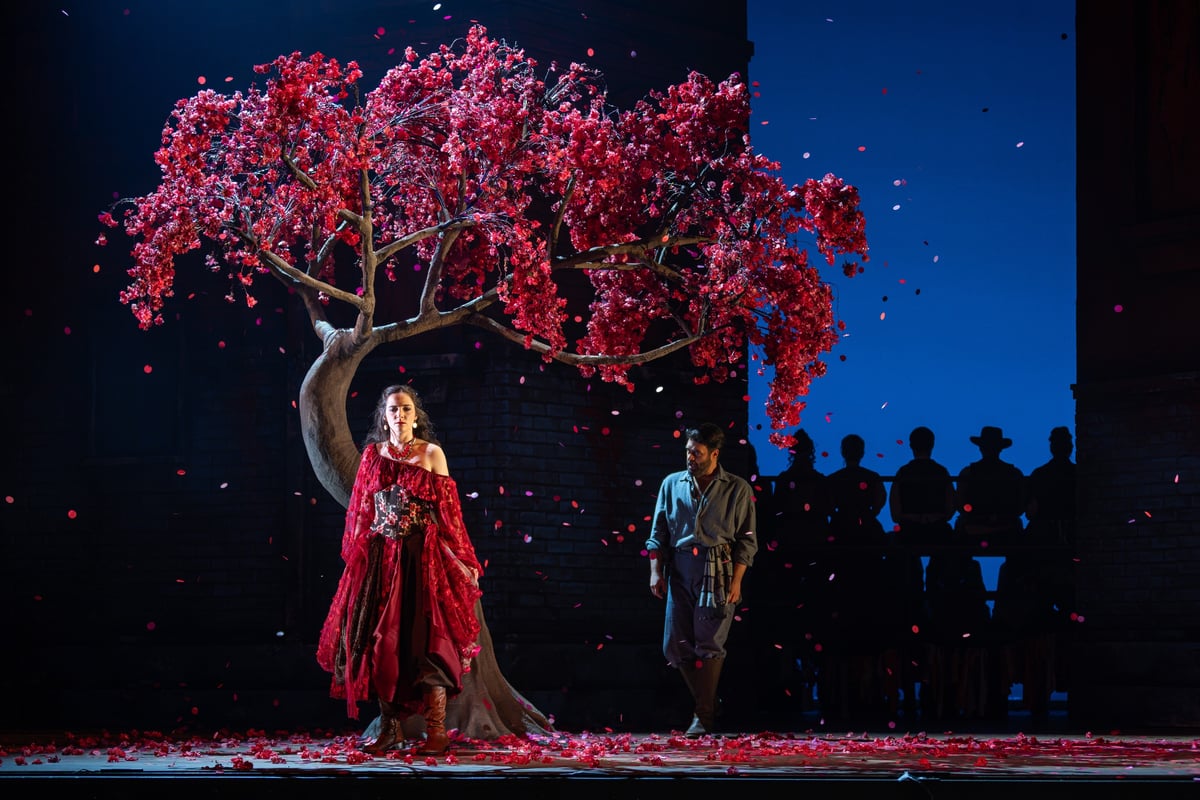
This is Cinderella without the glass slipper and the fairy godmother. What will surprise Adelaide audiences about this version of a story they think they already know?
The story of Cinderella dates back 2,000 years, well before the glass slipper and fairy godmother. The Disney version is iconic, but Rossini’s has a wonderful comedic twist. Perhaps it’s the comedy that will surprise people most. It’s beautifully constructed with real but oversized characters.
“I had mentors who helped me just because they believed in me. Without them I wouldn’t have had the tools – or perhaps the courage – to take the risk.”
You’ve sung at the Met, in Munich, Paris, Hamburg. You’re now teaching at the Elder Conservatorium here in Adelaide. What does it mean to put down roots in SA?
I’ve been incredibly privileged, and when I read that I’ve performed in such places, at times it doesn’t seem real. I’m extremely blessed to now be mentoring the next generation of young people with aspirations to follow a dream in music. I always say it’s those mentors you cross paths with in your formative years who have an enormous influence on you. I had mentors who helped me just because they believed in me. Without them I wouldn’t have had the tools – or perhaps the courage – to take the risk. That’s the greatest privilege I experience now at the Elder Conservatorium: seeing students improve and strive to be the best they can be. I hope to build a Classical Voice department that creates opportunity for all aspiring singers to thrive, learn and be inspired – and to go out and create their own journeys.
When you’re working with a young voice, what are you listening for beyond the obvious?
I don’t always think of it that way. Young voices – 17 to 21 – are babies vocally. That’s not meant to be patronising, but you don’t know what each voice might become or where it will take them. It’s always about encouraging, guiding, giving a solid technique and helping them develop. Where they go will be determined long after they leave university. Hopefully, we’ll have given them the tools, the technique and the inspiration to discover what that is.
Is there anything you were taught early on that you now actively unteach?
I wish I’d studied languages better, so the one thing I always tell students is: learn another language, don’t just learn how to sing in it. I was fortunate to study French and German at school, and my years in Europe helped, but being fluent before embarking on my career would have been a huge advantage. As for unlearning? I think I was mentored well, so I honestly can’t think of anything.
“Standing in front of a full orchestra never fails to excite me. It’s an adrenaline rush. It’s my healthy addiction.”
You have an ARIA, two Helpmann Awards, a Limelight Award – a career most singers would consider a complete success. What still drives you?
Oh, the joy! There is a wonderful freedom in being able to express oneself through music. Standing in front of a full orchestra never fails to excite me. It’s an adrenaline rush and that is also a thrill. It’s my healthy addiction!
Opera asks an enormous amount of a performer – physically, emotionally, technically. Where does Teddy end and the character begin?
Easy. The character always begins as the overture plays and always ends when the last note is cut off. It’s always Teddy at curtain call. I think it’s extremely important to reserve the character for the confines of the stage. After all, it’s only a character. Who you are off it defines you.
You’ve spent your career making opera feel human for audiences around the world. What do you think people are missing when they write it off?
It’s often considered outdated, and of course it is old in terms of the music, but that’s also its attraction. I firmly believe that understanding our past is important on many levels. Opera is part of the musical journey humans have been on. But really, it can be so many things: comedic, romantic, grand, inspiring, dramatic. And yes, you can enjoy it. Opera turns up in many walks of life and people don’t even know it – next time you hear the Geelong Cats supporters sing their team song at a packed stadium, perhaps many of them don’t realise they’re singing a famous opera tune! Give opera a go. If you haven’t, you might be surprised. And if I’m in it, please come and say hi and tell me what you thought. I’d be delighted to chat.
Teddy Tahu Rhodes stars as Don Magnifico in Rossini’s La Cenerentola, Her Majesty’s Theatre, 07 May – 16 May 2026 stateopera.com.au