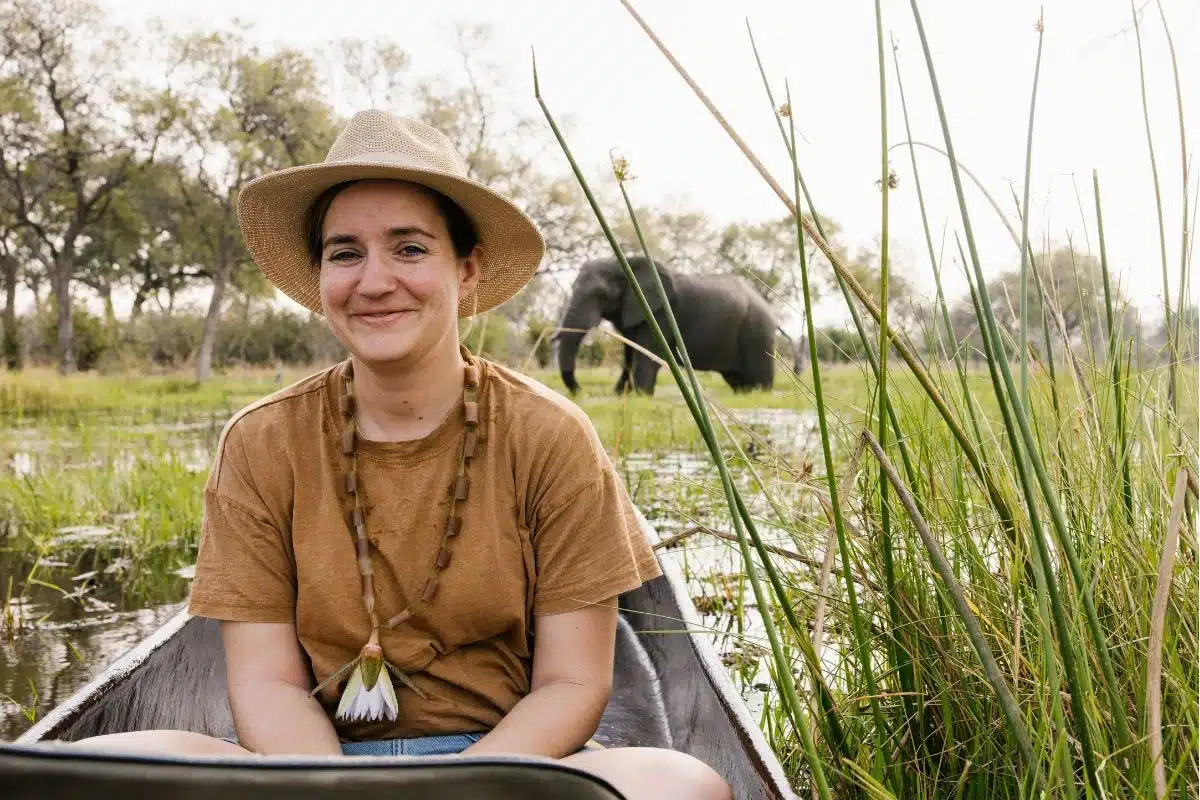
by Kate Paneros, Photographer
Just over 10 years ago, around a milestone birthday, I promised myself I’d go on an African safari for my next big decade celebration. Two children and three house moves later, I found myself staring 40 in the face… and I still hadn’t planned the safari.
With some gentle (okay, persistent) encouragement from my partner, we set about researching all things wild. The African continent is four times larger than Australia, and I had roughly two weeks available to travel, so we narrowed down the region and got to work planning this trip of a lifetime.
As a photographer, I had one clear goal: wild animals in extraordinary landscapes. Africa has no shortage of either, but much like Australia, if you try to see everything, you often end up spending far too much time on the road or in the air, and not nearly enough time actually experiencing anything.
After many hours combing the internet (and several conversations with patient travel agents), we settled on two destinations and two very different safari experiences: seven nights with a private guide, camping in the Okavango Delta, Botswana, followed by three nights at a premium lodge in Kruger National Park, South Africa.
Two safari styles, one great photo album
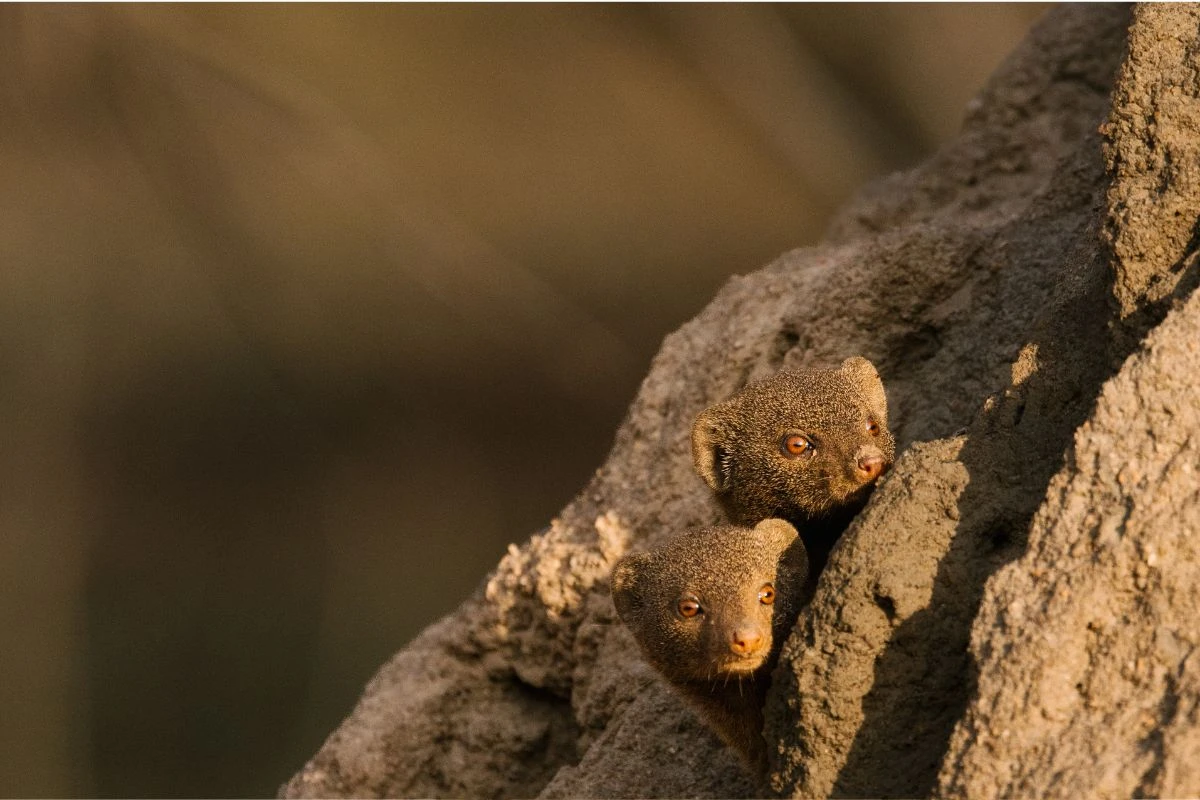
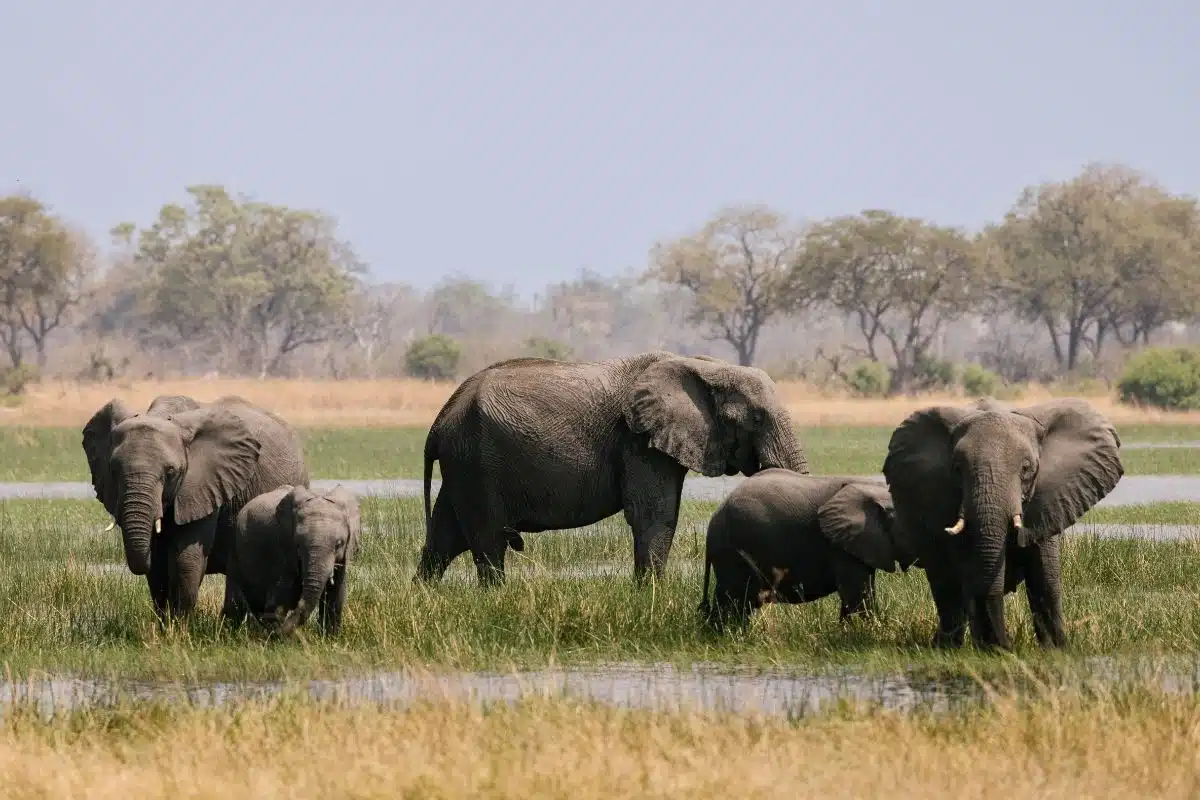
A mobile camping safari is immersive, your tent is part of the landscape, facilities are basic, and the separation between you and the natural world is minimal. We enjoyed a visit from a troop of mongooses in our canvas ensuite one afternoon, and overnight visits from honey badgers and hyenas. Lions announced their presence as night fell, and elephants appeared at breakfast, surprisingly quiet as they fed within view of our table.
By contrast, a lodge-based safari offers a defined base with hotel-level comfort. Guests share vehicles, return to air-conditioned rooms, and enjoy hot showers and freshly laundered clothes. Electric fences keep most animals out, and the drinks menu is broad.
Both deliver unforgettable encounters, but when it comes to photography, the differences are worth understanding before you book.
Camping in the Okavango
Camping in the Okavango Delta with a private guide offered some exceptional opportunities for photography. The days began at 5:30am, as the camp team filled our shower with water warmed on the fire. We were off as soon as breakfast was eaten, no waiting for slower guests to down their cups of tea or collect their hats. The schedule was on our time, and this was one of the biggest advantages.
We were fortunate to have a very passionate and patient guide. Izzy’s understanding of animal behaviour meant we could be in the right place at the right time, and wait around if need be.
The public nature reserve sees many visitors, from guided campers like us, to lodge vehicles, and self-drive enthusiasts. While some sightings attracted larger crowds, having our own driver meant we could sit quietly and patiently wait for the action, when others were under time pressure to see the next thing or get back to dinner on time. Two cheetahs lying under a tree at sunset was a quick photo moment for many, but for those with time to spare, the moment eventually became cheetahs hunting for dinner.
TIP: Be patient and be rewarded.
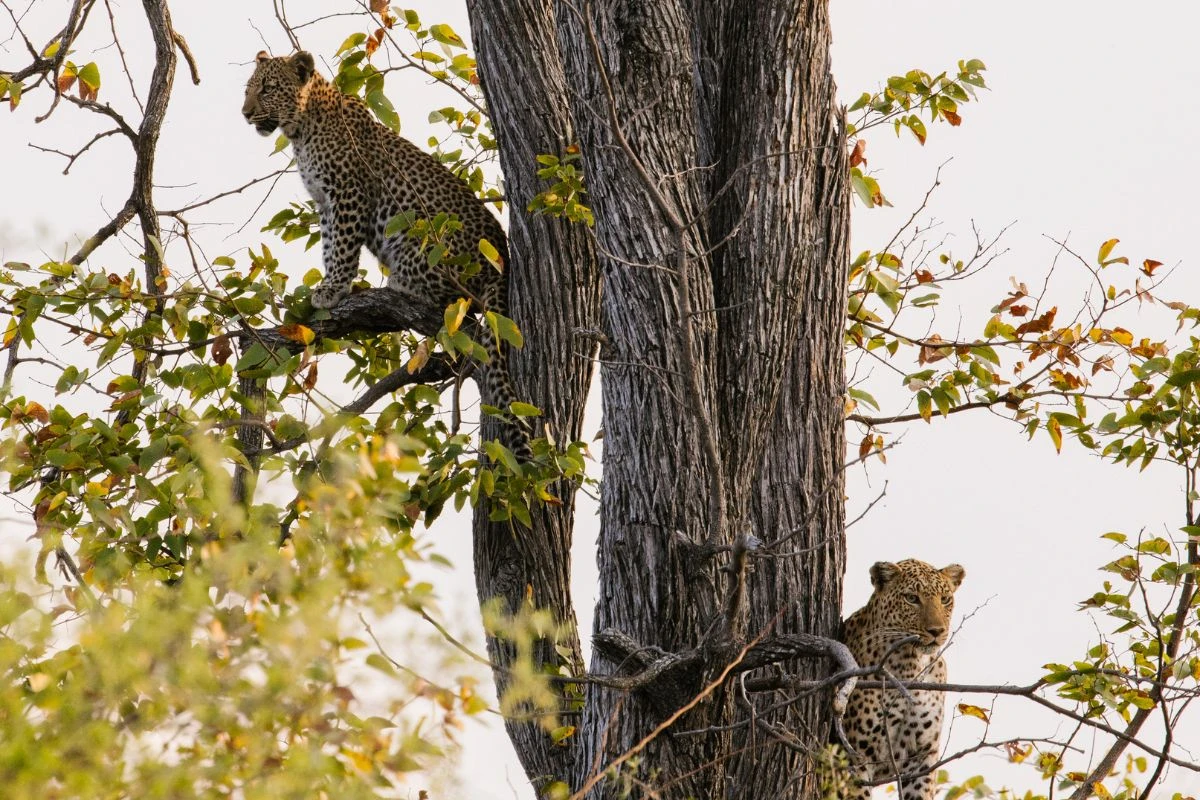
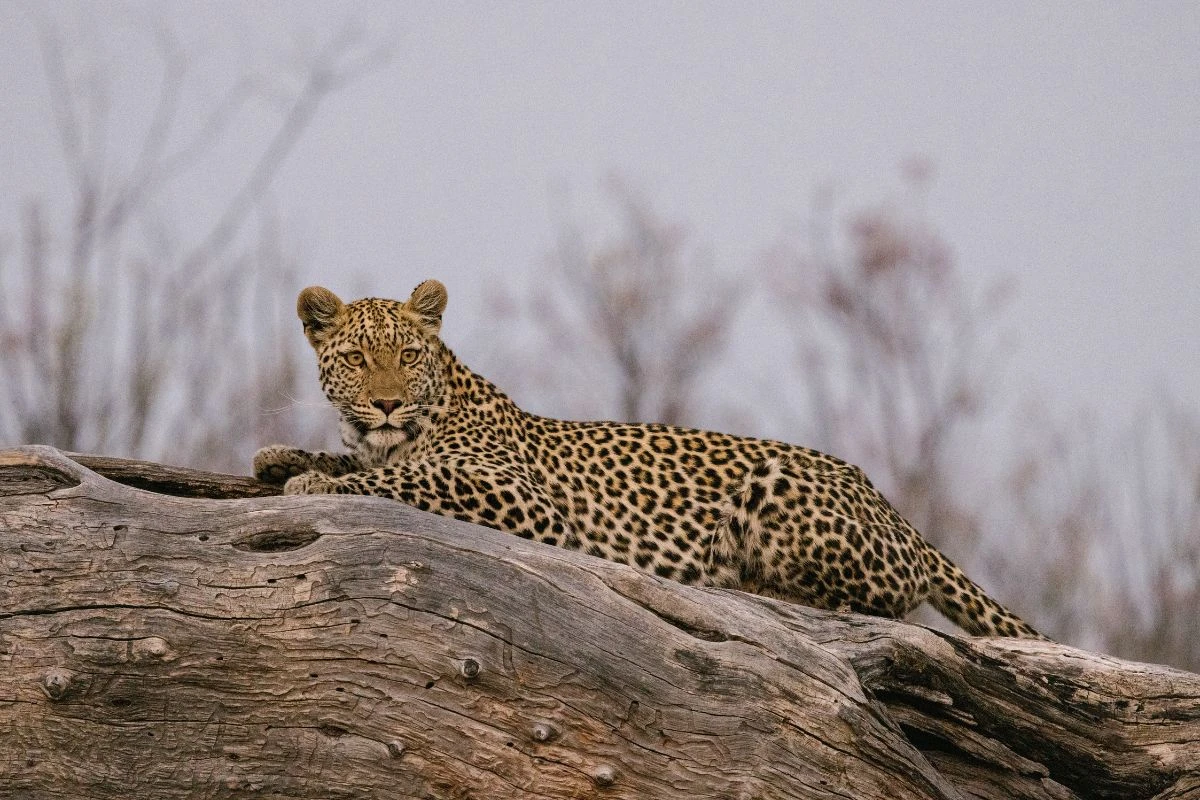
We visited the same leopard in a tree three times, and finally caught her as she came down to kill an antelope and feed her two cubs.
Afternoons were spent lounging around the campsite, resting before our afternoon/evening drive. With no electricity, reviewing images on my laptop was restricted to battery life, with charging only possible in the safari vehicle as we drove. Be sure to bring plenty of spare batteries.
Many animals are most active as the sun goes down, so some of our best sightings happened when it was almost dark. To make the most of this, bring a camera with excellent low-light capability. You’ll need good ISO range, and lenses with wide apertures. Leave your tripod at home, as most safari vehicles have padded armrests that make excellent supports.
Lodge life in Kruger
After a week in the bush, we were ready for a few creature comforts, and the extrovert in me was keen for some new faces to talk to.
We took a couple of days break from the animals with a visit to Victoria Falls, then flew to South Africa to stay in a private game reserve within Kruger National Park. This was recommended for its high density of wildlife, and the chance for up-close encounters. With four of the Big Five ticked off our list, our top priority was spotting a rhino, 10 minutes into our first game drive, we did just that.
With safari vehicles typically seating 8–10 passengers, we’d enjoyed the private driver as we had all seats to ourselves, meaning we could move between them to get the best vantage points for photos. At the lodge, we were joined by four to six others for each drive, limiting us to the one seat. Our driver did an excellent job of approaching animals from different directions so that everyone was able to see, but this was one area where the private camping experience stood out.
Being privately owned land, we were able to head off-road and our driver made the most of this, following animals into scrub, which was particularly useful as we watched a cheetah head off on her night-time hunt. It adds to the excitement having to dodge tree branches in the open-top vehicles, too. Guides also limited the number of vehicles around an animal at any given time, meaning the wildlife wasn’t overcrowded and your photos weren’t filled with 4WDs.
Another benefit of the private reserve was the ability to get out of the vehicle when our guide felt it was safe. Sundowners were enjoyed beside waterholes as daylight faded, new friendships forming over quiet conversations and well-earned gin and tonics. The lodge also offered bushwalking safaris for a ground-level experience.
The days in the lodge wrapped up with group dinners around a fire pit, exchanging stories and sightings while our camera gear recharged back in our room.
Your choice
Ultimately, neither safari style is superior, they simply reward different priorities. The mobile camping safari gave us time, flexibility and an intimacy with the landscape that felt tailor-made for photography, while the lodge stay delivered comfort, social energy and effortless access to dense wildlife.
If your idea of heaven is waiting an extra hour for the story to unfold, sleeping to the soundtrack of the bush and trading hot showers for extraordinary moments, camping will spoil you for life. If you appreciate a broader menu, a dip in the pool, and a lively dinner conversation, lodge life delivers in spades.
Either way, the photo album will be amazing, and you’ll be planning the next safari before you can clean the dust from your boots.
For more, follow Kate Paneros on Instagram: @hellourbansafari